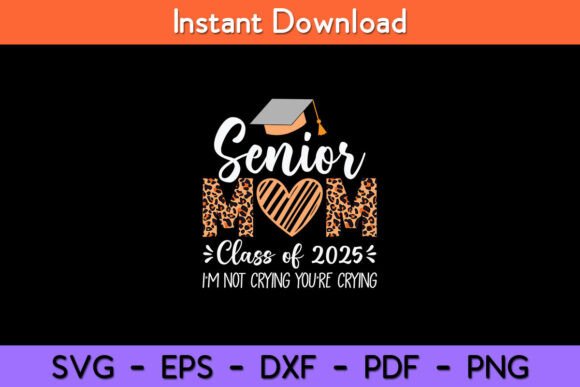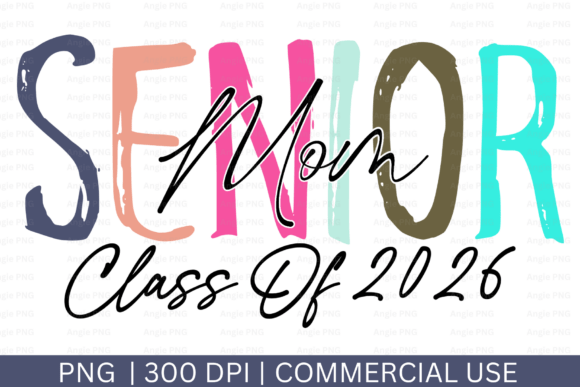
Proud Mom of the Graduate, Class of 2025
When I first opened Proud Mom of the Graduate, Class of 2025, I immediately felt the warmth behind it. This is not a generic graduation graphic. The design carries a specific emotional weight that resonates with a mother watching her child reach a milestone. The layout feels celebratory without being overly loud, and the typography has a soft confidence that would translate beautifully into thread. As someone who has tested hundreds of digital assets on real embroidery machines, I look for designs that hold their personality after digitizing and stitching. This one has that potential.
The mood is proud, tender, and deeply personal. It is the kind of design a customer would pick for a one-of-a-kind gift, something that goes beyond a store-bought card or a standard bouquet. The visual personality leans toward heartfelt keepsake territory, which means it belongs on products that people will hold onto for years. I can already picture this stitched onto a tote bag, a pillow cover, or the back of a lightweight jacket worn at the graduation ceremony itself.
A Design That Tells a Story Before the First Stitch
What strikes me about Proud Mom of the Graduate, Class of 2025 is how the theme and shape work together. The phrase itself is a statement. It is not just about the graduate. It centers the mother, and that shift in perspective opens up a completely different product category. This is not student merchandise. This is mom merchandise, and that distinction matters when you are planning a product line or a craft fair booth.
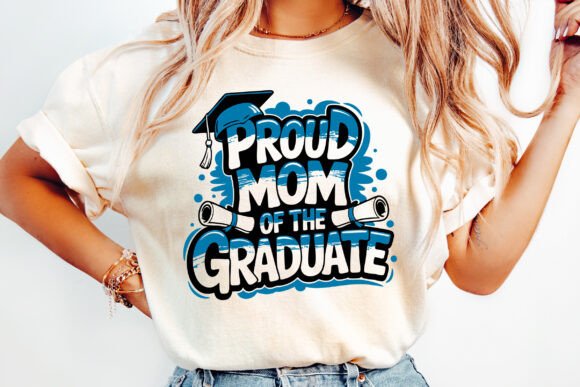
The layout reads clearly from a distance, which is essential for wearable embroidery. I often test designs by stepping back six feet from the screen or the stitched sample. If the words blur or the hierarchy collapses, the design fails for apparel. This one holds its structure. The lettering has enough weight to carry through a satin stitch or a well-digitized fill stitch, and the spacing between elements feels intentional rather than cramped.
How I Would Use This in a Real Embroidery Project
Let me walk through a real scenario. I have a customer who runs a small handmade shop. She specializes in personalized graduation gifts, and her best-selling item last spring was a natural canvas tote bag with embroidered text and a subtle floral accent. She asked me to evaluate Proud Mom of the Graduate, Class of 2025 for her upcoming collection. I immediately thought of a mid-weight cotton tote, oatmeal or cream, with the design stitched in a rich navy thread. The contrast would be striking, and the transparent background of the provided PNG file makes it easy to mock up on different fabric colors before committing to digitizing.
For a tote bag, the design size needs to be generous but not overwhelming. I would aim for a finished stitch area around five to six inches wide, which fits comfortably within a standard medium hoop. The PNG file at 300 dpi gives me enough clarity to trace or convert for digitizing, and the SVG file is a strong starting point for anyone who prefers to work with vector paths. The EPS file adds another layer of flexibility for those who use software like Illustrator to prepare their artwork before importing into embroidery digitizing programs.
Thread Choices and Stitch Personalities
When I think about thread colors for this design, I lean toward classic combinations. A deep burgundy paired with a soft gold would feel elegant and timeless. For a more modern look, a charcoal gray against a blush pink background would appeal to younger moms. The design itself does not dictate a single color palette, which is a strength. It leaves room for creative interpretation while still maintaining its identity.
The text elements would work best with a satin stitch for clean, glossy edges, especially if the lettering is scaled to a medium or large size. If the design includes smaller decorative accents, a running stitch might be more appropriate to avoid thread buildup. I always advise checking the stitch density before running a full project. Dense lettering on lightweight fabric can cause puckering, and nobody wants to gift a wrinkled tote bag or a wavy sweatshirt.
Fabric and Surface Considerations That Matter
Not every fabric plays nicely with text-heavy embroidery. I have ruined enough test pieces to know that stretchy fabric and dense lettering are a risky combination. If you plan to stitch Proud Mom of the Graduate, Class of 2025 onto a t-shirt or a sweatshirt, use a cutaway stabilizer and consider a topping film if the fabric has a nap or texture. Fleece, for example, can swallow delicate stitches, so I would test the design on a scrap piece first and adjust the stitch settings accordingly.
For baby embroidery or nursery decor, this design could work beautifully on a soft cotton blanket or a pillow cover. The sentiment fits a mother celebrating her child's graduation, but it could also adapt to a gift from a grandmother or an aunt. The key is fabric choice. A smooth, tightly woven cotton or linen will give the cleanest stitch definition. I would avoid textured fabrics like burlap or loosely woven jute unless the design is intentionally scaled up and digitized with a bold, open stitch structure.
Dark fabrics present another layer of consideration. The design's visibility depends heavily on thread contrast. On a black sweatshirt, a white or metallic gold thread would pop, but I would test the design in a black-and-white mockup first to see if any fine details get lost. The transparent PNG file makes this step easy in software like Photoshop or Canva before investing thread and time.
Where This Design Truly Shines
In my experience, Proud Mom of the Graduate, Class of 2025 belongs on keepsake items. Tote bags, pillow covers, and framed embroidery hoops come to mind immediately. I can also see it on a kitchen towel, something a mom would display in her home during the graduation season. The design carries enough sentiment to work as a personalized gift without needing additional customization, though adding the graduate's name or school colors would elevate it further.
For Etsy sellers and small shop owners, this design fits neatly into a graduation product lineup. It is specific enough to attract the right buyer but flexible enough to be interpreted across different product types. A customer searching for a unique gift for a proud mom would likely click on a listing featuring this design, especially if the product photos show it stitched on a high-quality fabric with thoughtful styling.
Small Hoop Limitations and Size Adjustments
If you are working with a small hoop size, such as a four-by-four-inch frame, you need to be careful. The text must remain legible after scaling down. I would test the design at the smallest intended size on scrap fabric and check every letter for clarity. Thin strokes and tight serifs can disappear in thread, especially if the digitizing is not optimized for small-scale stitching. The SVG file gives you the advantage of adjusting the design proportionally before digitizing, but I recommend keeping the stitch width above one millimeter for any satin-stitched lettering.
For caps and hats, the curved surface adds complexity. The design needs to be digitized from the center out, and the lettering should be adjusted to avoid distortion near the edges. I would not recommend this design for a cap unless it is specifically digitized for that purpose and tested on a cap frame. The visual impact of the text works best on a flat or gently curved surface, like the front of a tote bag or the center of a sweatshirt chest.
Commercial Use and Licensing Awareness
Before stitching Proud Mom of the Graduate, Class of 2025 on products intended for sale, I always remind fellow designers to review the licensing terms. The product description includes SVG, PNG, and EPS files, which are versatile for sublimation products, card making, and printable mockups. However, the commercial embroidery use case requires clarity. Can you sell finished items featuring this design? Can you use it in digital embroidery file form for customer projects? These are questions I would confirm with the seller before listing products on Etsy or at a craft fair.
The PNG file with a transparent background is particularly useful for creating printable mockups and design assets to preview how the finished product will look. I use mockups extensively in my own shop, and a clean, high-resolution file saves time and builds buyer trust. When a customer sees a realistic preview of an embroidered sweatshirt or tote bag, they are more likely to purchase, and the transparent background makes layering the design onto product photos effortless.
Stitching Notes From My Test Mindset
Every design I review goes through a mental checklist before I ever load it onto a machine. For Proud Mom of the Graduate, Class of 2025, here is what I would prioritize.
- Print the design at full size on paper and place it on the intended fabric. Check the scale and positioning before digitizing.
- Test the digitized version on a scrap of the same fabric and stabilizer combination planned for the final product.
- Evaluate thread color contrast under natural light and indoor lighting. What looks good on screen may read differently in thread.
- Inspect small details, especially any decorative elements or flourishes near the text. These can blur if the stitch density is too high.
- Wash the test piece if the product is intended for frequent laundering. Check for thread shrinkage, stabilizer breakdown, and colorfastness.
- Compare the stitched result on light and dark fabric backgrounds. The design should maintain its integrity across the color spectrum you plan to offer.
The Emotional Hook That Sells Products
From a craft business perspective, Proud Mom of the Graduate, Class of 2025 taps into an emotional moment that drives purchasing decisions. A mother browsing for a graduation gift is not just looking for a product. She is looking for something that captures how she feels. This design articulates that feeling directly, and when it is stitched onto a beautifully crafted item, the perceived value increases. The finished product becomes more than a tote bag or a pillow cover. It becomes a memory stitched in thread.
I have seen designs with weaker emotional resonance sell well simply because they were marketed correctly. This design has a built-in emotional hook. That makes it a strong candidate for handmade product lines, boutique branding, and craft fair products where storytelling drives sales. When a customer picks up an embroidered item and reads those words, the connection is instant.
Final Thoughts Before You Stitch
I approach every embroidery design review with the same question. Would I use this in a project for a paying client? For Proud Mom of the Graduate, Class of 2025, the answer is yes, with the right preparation. The design files provided give a solid foundation for digitizing, and the transparent PNG simplifies the mockup process. The theme is timely and emotionally resonant. The layout is clean and readable. The main considerations are fabric choice, hoop size, thread contrast, and licensing clarity.
If you are an embroidery designer or a small business owner planning graduation products, this design deserves a spot in your collection. Test it thoroughly, treat it as a keepsake-grade asset, and present it to your customers with the pride and care that the words themselves express. The mom who receives a gift stitched with this design will feel seen, and that is the kind of reaction that builds a loyal customer base and a strong craft brand.