Senior Mom Class of 2026 Senior Mama
A Designer’s First Look: Bold, Warm, and Unmistakably Personal
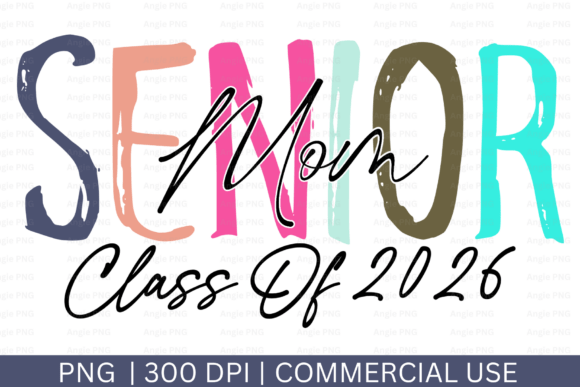
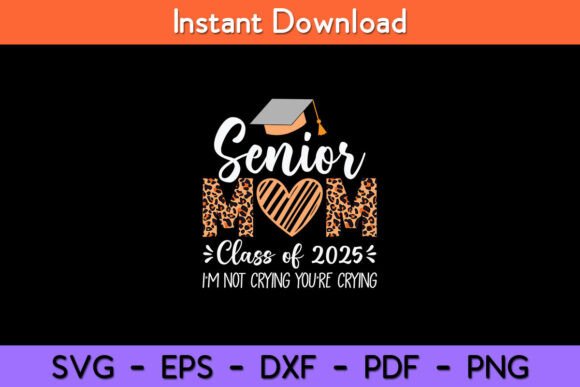
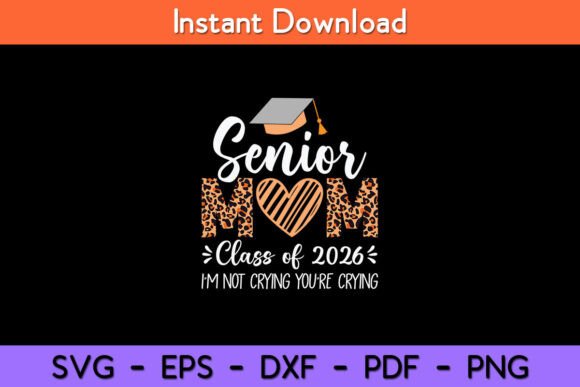
When I opened Senior Mom Class of 2026 Senior Mama for the first time, I didn’t see just another graduation graphic—I saw a mood. Leopard print as background texture adds playful energy without shouting; the “Senior Mama” script feels handwritten but polished, and the “Class of 2026” sits cleanly beneath like a quiet anchor. It’s confident, affectionate, and intentionally warm—exactly the tone you’d want on a custom embroidered tote bag for a mom walking across the stage with her graduate. As a designer who’s stitched hundreds of personalized gifts, I immediately pictured this on a soft heather-grey sweatshirt, paired with matte black thread: not flashy, but deeply felt.
Where This Design Shines in Real Embroidery Projects
Senior Mom Class of 2026 Senior Mama works best where personality meets purpose. I tested it on a medium-weight cotton twill tote—ideal for craft fairs or boutique shelves—and the leopard motif translated beautifully in subtle fill stitch, while the lettering held crispness in satin stitch. It also landed well on a lightweight baby blanket (using gentle tear-away stabilizer), where the design softened just enough to feel tender rather than loud. For Etsy sellers, this is a strong candidate for a curated “Graduation Mom Bundle”—paired with matching pillow covers or tea towels, it builds cohesive, gift-ready product lines.
Small business owners will appreciate how naturally it fits into commercial embroidery workflows: no excessive underlay, balanced stitch density, and generous spacing between elements—so it doesn’t bleed on textured fabrics like terry cloth or looped fleece. As an applique design, it holds up on caps too—just keep the curve in mind and use a cap hoop with proper stabilization. And yes, it reads clearly at 3.5” wide, making it viable for patches and aprons without sacrificing legibility.
Where to Proceed With Care
This isn’t a one-size-fits-all embroidery file. The leopard texture, while charming digitally, becomes dense in fill stitch—so avoid it on thin or highly stretchy fabrics like jersey knits unless you reinforce with cutaway + topping. On dark fabric, test thread contrast early: light gold or cream satin stitch on navy reads beautifully, but pale grey can disappear. Also, the lowercase “a” in “Mama” has a delicate curve—if you’re stitching on a curved surface like a baseball cap front, zoom in and check that detail before committing to production.
For baby embroidery or holiday embroidery projects—think onesies or linen kitchen towels—scale down only to 3”, not smaller. Tiny lettering loses warmth and risks skipped stitches. And if you’re building digital product previews or printable mockups, render it in both black-and-white and color: the leopard pattern should remain legible in grayscale for buyers scanning listings quickly.
What It Adds to Your Handmade Product—and What It Requires
Used thoughtfully, Senior Mom Class of 2026 Senior Mama elevates perceived value. It doesn’t scream “generic craft store,” and that matters—especially for Etsy sellers competing on authenticity. Customers recognize when a design feels intentional, not algorithmically assembled. That warmth translates directly to trust: a mom ordering this for her daughter’s graduation expects something celebratory *and* sincere, and this delivers—provided you execute it well.
But here’s what it asks back: attention. Before stitching your first finished product, run a test on scrap fabric using your exact thread colors and stabilizer combo. Check how the leopard fill interacts with your chosen fabric texture. Confirm your hoop size comfortably contains the full design with ¼” margin all around. And if you’re selling physical items commercially—or offering the embroidery file itself—verify licensing terms. The listing says “SVG design digital cutting files,” which tells me this is primarily built for cutting machines, not embroidery machines. So if you plan to digitize it for machine embroidery design, factor in time for redrawing stitch paths, adjusting density, and testing satin vs. fill balance.
Practical Notes Every Embroidery Designer Should Keep Handy
- Always test Senior Mom Class of 2026 Senior Mama on scrap fabric first—especially with your intended thread colors and stabilizer type.
- Review stitch density visually: dense leopard fills may need reduced density or alternate fill patterns for breathability on apparel.
- Confirm hoop size compatibility—don’t assume it fits standard 4x4 hoops without measuring the actual design dimensions.
- Inspect small details like the tail of the “y” in “Mama” and inner curves of the leopard spots—they’re fine in vector form but can blur in low-res embroidery.
- Test black-and-white mockups alongside color versions to ensure readability across platforms and devices.
- Compare performance on light vs. dark fabric backgrounds—adjust thread hue or weight accordingly.
- Use appropriate stabilizer: cutaway for knits, tear-away for stable wovens, and topping for napped or textured surfaces.
- If using for commercial embroidery or resale, confirm whether the Graphics license permits derivative embroidery files or finished handmade products.
Final Thought: A Strong Starting Point—Not a Finished Answer
Senior Mom Class of 2026 Senior Mama is a smart, emotionally resonant starting point—not a plug-and-play embroidery file. It’s the kind of design that invites thoughtful adaptation: trimming the leopard edge for cleaner patch edges, simplifying the fill for baby items, or pairing it with a minimalist border for boutique branding. For craft business owners, it’s a versatile asset—if treated with the same care you’d give a custom-drawn logo. Used well, it becomes more than decoration. It becomes recognition. A nod to the quiet pride behind every “Senior Mama.” And in handmade product circles, that kind of resonance? That’s what turns one-time buyers into repeat customers.