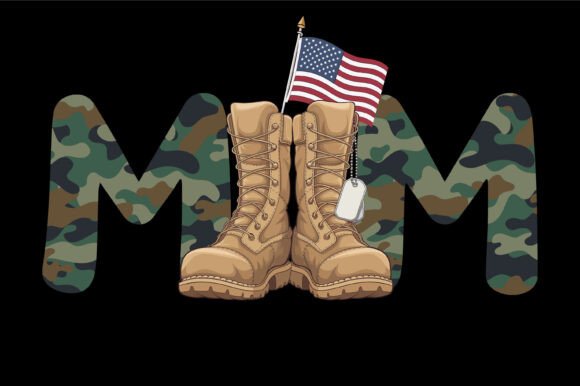
Proud Military Mom Camo Design In Real Projects
I have been testing embroidery designs long enough to know when a file jumps out and demands attention. The Proud Military Mom Camo Design does exactly that. It is not subtle and it should not be. This is a design that carries weight, pride, and a story before a single stitch lands on fabric. As soon as I opened the file, I knew this belonged on products that people reach for when they want to say something meaningful without speaking a word.
The layout combines military camo texture, boots, dog tags, patriotic flag elements, and the kind of bold lettering that feels like a declaration. It is layered, detailed, and unapologetically proud. For anyone who stitches for military families, this is a design that will click immediately with the right audience. The question is not whether it looks good on screen. The question is how it performs under the needle, on different materials, and inside a real small business workflow.
What The Design Communicates Before Stitching Begins
When I evaluate a machine embroidery design like this, I always start with the emotional read. The Proud Military Mom Camo Design communicates strength, sacrifice, and deep family connection. The camo pattern grounds it in military identity without feeling aggressive. The boots and dog tags add a personal, almost tactile quality. The flag elements pull in patriotism without overwhelming the message. The word placement feels balanced, not cluttered. This is a design that would stop a browser at a craft fair or inside an Etsy shop. It knows who it is for, and that clarity is worth a lot in a crowded market.
I could immediately picture this stitched onto a sturdy canvas tote bag carried by a mom at a deployment ceremony or a homecoming event. The emotional presence of the design is strong enough to anchor a product by itself. It does not need extra embellishment or companion art. That is a sign of good design thinking.
Real Fabric Test Thinking
I ran through my usual mental checklist for a custom apparel project. A design like this demands respect for fabric choice. The camo background and detailed elements mean stitch density could become an issue on thin or stretchy material. I would not recommend this for a lightweight baby onesie without serious testing. The details in the dog tags and the textured boot areas could close up on a knit that shifts under the needle. A woven cotton twill or a sturdy polyester blend for a sweatshirt would give the satin stitch and fill areas room to breathe.
For a tote bag design, this is practically perfect. The flat weave of a canvas tote holds dense stitching beautifully. The design has enough presence to fill the front panel of a standard carry bag without looking lost or cramped. I would still baste a test piece first, especially to check how the small flag stars and lettering edges render on a textured surface. A medium-weight cutaway stabilizer feels essential here. I would not trust a tear-away on a design with this many interlocking elements.
Where The Design Shines Brightest
After evaluating the visual weight and layout, I would place the Proud Military Mom Camo Design in the sweet spot for medium to large hoop projects. A sweatshirt back panel, a jacket back, a pillow cover, or a generously sized tote front are where this design will truly perform. The scale of the boots and the camo background needs room to read clearly. If you shrink it too far for a cap or a small patch, the dog tag details and flag elements risk becoming muddy. The design has a natural minimum size that you should respect. I would test it at no smaller than four inches wide for detailed embroidery, and even then, I would watch the stitch density closely.
For an embroidered patch application, this design could work if you stitch it on a stable backing fabric and finish the edges cleanly. The bold shapes would hold up well as a standalone patch sewn onto a jacket or bag. The camo background gives it texture that a flat patch would lack, and the patriotic elements make it highly giftable for military families.
Thinking Through A Real Project Scenario
Let me walk through a real case. I was preparing a batch of custom embroidered tote bags for a small boutique client who wanted products that honored military moms ahead of a holiday event. She needed designs that felt personal, not generic. I pulled up the Proud Military Mom Camo Design and ran a test stitch on a natural canvas tote in olive green. The thread color selection mattered enormously. The camo areas needed subtle tone shifts to read as camouflage without turning into a muddy block. I ended up using three thread shades for the camo sections, a deep olive, a taupe, and a muted khaki. The flag elements popped in true red, white, and blue without clashing. The dog tags needed a metallic silver thread to catch light and separate from the camo background. The lettering held up well at the tested size, and the satin stitch edges on the boots gave the design a polished, professional finish.
The client loved the result. The bags sold out within two days of the event. That is the kind of reaction a well-chosen embroidery file can trigger when the design matches the emotional need of the buyer.
Fabric And Surface Considerations
Dark fabric presents a challenge with camo designs. The camo pattern can disappear into a black or navy background. I would lean toward lighter olive, tan, gray, or even a washed-out denim for the base fabric. If a customer requests a dark sweatshirt, consider adding a light stabilizer or a subtle backing patch behind the embroidery area to lift the design visually. On a pillow cover in a natural linen blend, the contrast would be gorgeous. The texture of the fabric would complement the rugged military feel without competing.
Stretchy fabric like a performance hoodie needs extra care. A design with this much fill stitching can pull and distort on a flexible knit. I would use a fusible mesh stabilizer and possibly a water-soluble topper to keep the details crisp. The flag stars and dog tag lettering are small enough that any fabric movement during stitching will show. Test, test, and test again before committing to a finished piece.
Thread Color And Stitch Quality Notes
Thread color decisions can make or break a handmade product featuring this design. The camo sections need enough contrast between adjacent colors to read as camouflage. If the shades are too close, the texture flattens and the design loses depth. The patriotic flag areas demand clean, saturated red and blue against a bright white. I would avoid off-white or cream for the flag stripes because it can look dingy next to the camo tones. The dog tags benefit from a metallic or a light silver-gray thread that reflects differently than the matte camo fill. The lettering should be a solid, dense satin stitch in a color that clearly separates from the background. Black or dark charcoal works well if the camo is light enough. White or cream can work on a darker camo base. Always test thread color contrast on a scrap of the actual fabric you plan to use.
Small Detail Inspection
The dog tags in the Proud Military Mom Camo Design include small text-like elements that require close inspection. I would stitch a sample and check whether the tiny lettering remains legible. If the design file has been digitized well, the running stitch or fine satin stitch in those areas should hold clarity. If the stitch density is too high, the small details can close up and look like blobs. This is one of those designs where the difference between a good digitizer and an average one will show up fast. I recommend examining the file closely in your embroidery software before sending it to the machine. Look at the stitch angles, the pull compensation, and the underlay for the small letter areas. A well-built digital embroidery file will handle these details gracefully.
Commercial Use And Licensing Awareness
For Etsy seller shops, craft fair vendors, and small business owners, the licensing question is always front of mind. Before you stitch this design onto products for sale, confirm the commercial use terms. The product description includes multiple file formats, SVG, PDF, JPEG, PNG Transparent, EPS Editable file, and AI Editable file. That range tells me this design is intended for both digital product creators and physical product makers. If you are selling finished embroidered goods, check whether the license allows commercial use on physical items. If you plan to use the design in printable mockup previews or digital product bundles, the editable file formats give you flexibility. But always verify the terms directly. Do not assume. A quick check protects your business and respects the designer's work.
Product Types That Fit Naturally
Beyond the obvious tote bag and sweatshirt applications, I see this design working beautifully on a quilted throw blanket panel, a denim jacket back, a heavy-duty apron for a barbecue or outdoor event, and a decorative pillow cover for a military family home. The holiday embroidery market is another strong avenue. A stitched wall hanging or framed embroidery piece featuring this design would make a deeply personal gift for Mother's Day, Veterans Day, or a deployment send-off. The design has enough emotional weight to stand as a standalone gift item without needing to be part of a larger product line.
For baby embroidery projects, I would approach with caution. The design is large and dense. A baby blanket or a nursery decor item could work if the design is scaled down carefully and stitched on a stable woven fabric. But I would not put this on a stretchy baby onesie. The stitch density and the size would be uncomfortable against delicate skin and could distort the garment. A framed nursery wall art piece is a better fit for this theme in a baby context, perhaps for a military family welcoming a new arrival.
Cap And Hat Limitations
Curved surfaces like caps and hats are notoriously tricky for detailed designs. The Proud Military Mom Camo Design has a rectangular visual footprint with detailed elements near the edges. On a curved cap front, the outer areas can distort or fail to register cleanly. I would not recommend this as a primary cap design unless you have a flat bill cap and a hoop setup that handles wider designs well. The camo texture and dog tags need a flat or gently curved surface to read properly. If a customer insists on a cap, test on a structured, flat-front cap with a firm backing and expect to adjust the design placement significantly.
Final Practical Thoughts
What makes the Proud Military Mom Camo Design valuable for a craft business is its clear emotional target. This is not a generic patriotic design. It speaks directly to a specific experience, being a proud military mom. That specificity is a selling advantage. When a customer sees this design on a product, they recognize themselves or someone they love in it. That recognition drives purchases faster than any amount of generic appeal. The design assets provided in multiple formats also mean you can use it for product photography, marketing materials, and shop branding beyond the embroidery machine itself.
I would advise any small shop product maker to stitch this design on a few different fabric types and colorways before listing it. Photograph the finished pieces on real products, not just flat mockups. Buyers respond to seeing the actual texture of the stitches on a used-looking tote bag or a cozy sweatshirt. The design has enough visual interest to photograph well, and the camo texture creates depth that flat printing cannot replicate. That is a genuine selling point for handmade embroidered goods.
Treat this design with respect for its detail level. Use the right stabilizer. Check the small lettering. Test thread colors on your actual fabric. And confirm your licensing. Do those things, and the Proud Military Mom Camo Design will reward you with a finished product that feels professional, emotional, and genuinely worth the stitch time.