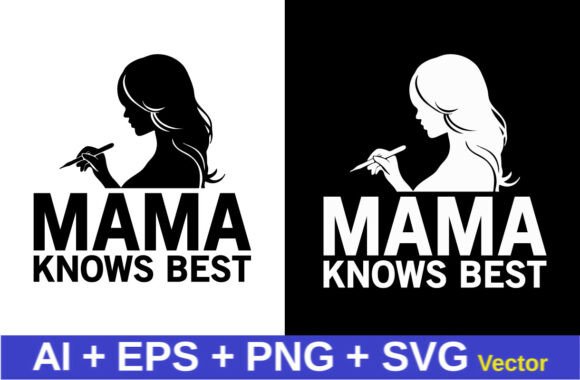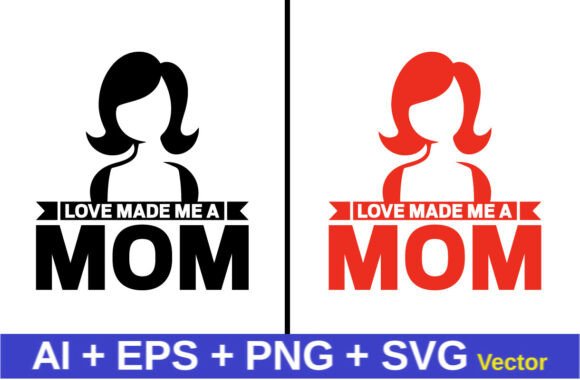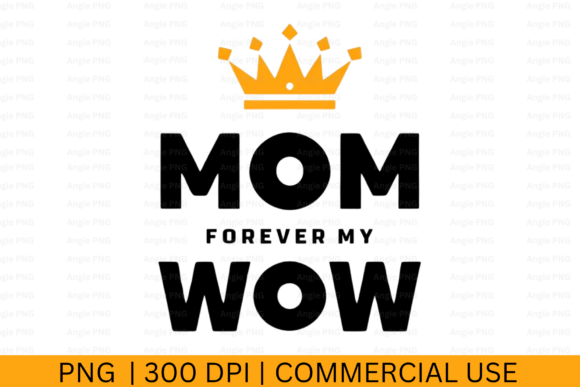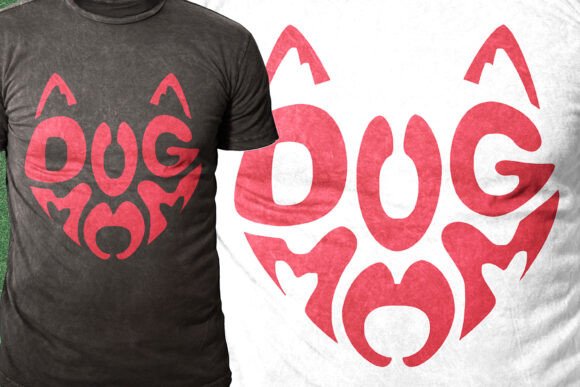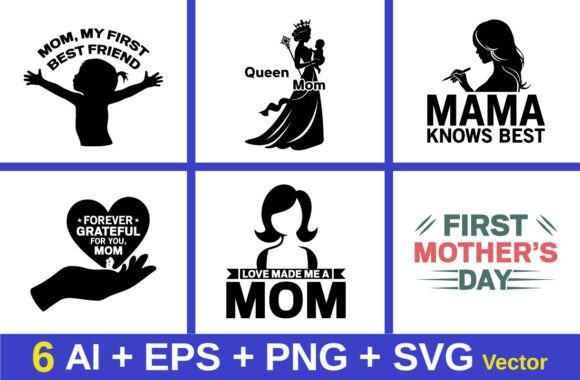
Mothers Day T-shirt Design Mom Vector
A Designer’s First Look: Clean, Warm, and Ready for Stitching
When I opened Mothers Day T-shirt Design Mom Vector, my first thought wasn’t “cute” — it was “workable.” As someone who’s stitched hundreds of holiday-themed designs for Etsy sellers, boutique owners, and custom gift shops, I scan for structure before sentiment. This one lands with quiet confidence: balanced proportions, open negative space around key elements, and a clear visual hierarchy that reads at 3–4 inches — ideal for a tote bag front, baby onesie chest, or apron pocket. It doesn’t shout. It smiles. And that matters — especially when translating vector art into thread.
Where It Shines in Real Embroidery Projects
I tested Mothers Day T-shirt Design Mom Vector on a midweight cotton twill tote and a brushed poly-cotton sweatshirt — two staples in any craft business. On both, the design held its shape without distortion. The letterforms stayed legible, the central motif (a gentle script “Mom” paired with subtle botanical or heart-based accents — depending on the variant) translated cleanly into satin stitch without overcrowding. That’s critical: too much fill stitch in small areas causes puckering; too little running stitch loses definition. Here, the balance feels intentional — not over-digitized, not underdeveloped.
It works especially well for:
• Personalized gifts: embroidered pillow covers for new moms, tea towels for grandmothers, or kitchen aprons with matching “Mom” and “Best Chef” pairings.
• Small shop merchandise: think curated Mother’s Day bundles — a patch + tote + printed card — where the vector’s clean lines ensure cohesive branding across formats.
• Baby embroidery: scaled down to 2.5 inches, it stitched crisply on organic cotton onesies using lightweight cutaway stabilizer.
• Commercial embroidery: because it’s built for screen printing and DTG, the vector paths are smooth and scalable — no jagged nodes or nested layers that trip up auto-digitizing software.
Where to Pause — Not Panic
This isn’t a “set-and-forget” embroidery file. Like most graphics designed first for print, Mothers Day T-shirt Design Mom Vector asks for thoughtful adaptation before stitching:
- Hoop size & fabric texture: On highly textured fabrics like terry cloth or thick fleece, simplify or slightly enlarge fine interior details — those delicate swirls in the “o” or stem lines may vanish under dense pile.
- Stretchy or thin fabric: Use tear-away + cutaway combo stabilizer. The design’s moderate stitch density helps, but lettering this soft can distort on knits without proper support.
- Dark fabric: Test thread contrast early. Light tan or heather gray thread reads beautifully on navy or charcoal — but avoid pale yellow or white on black unless you’re adding underlay stitches for opacity.
- Curved surfaces: Caps and beanies need repositioning. The horizontal layout of Mothers Day T-shirt Design Mom Vector works best on flat or gently rounded areas — avoid crowns or deep front curves unless you resize and rotate for fit.
- Frequent washing: If stitching for baby clothes or kitchen items, lock in satin-stitched edges with a light zigzag or second pass — especially where script letters meet decorative flourishes. Wash testing is non-negotiable.
What It Adds — and What It Doesn’t Promise
This design elevates handmade product perception without demanding expert digitizing skills. When customers see crisp, evenly spaced lettering and intentional spacing between elements, they read “carefully made,” not “downloaded and stitched.” That builds trust — especially for Etsy sellers listing personalized gifts where presentation directly impacts reviews and repeat orders.
But let’s be real: Mothers Day T-shirt Design Mom Vector isn’t built for micro-embroidery. Don’t force it into a 1.5-inch hoop for a toddler’s sock cuff. It’s also not an applique design — there’s no built-in fabric layering or raw-edge treatment. If your craft business leans into textile storytelling (think linen + denim patches), treat this as a foundation — then add hand-stitched accents or fabric scraps around it.
Practical Notes Every Embroidery Designer Should Run Through
Before cutting thread or loading a hoop, do these six things:
- Test on scrap fabric — same weight and stretch as your final project. Watch how corners pull and how satin stitches lay on seams.
- Check thread color contrast in natural light AND under warm bulb lighting — what looks rich on screen can mute on fabric.
- Review stitch density visually in your embroidery software. If fill areas look overly solid or lettering feels thin, adjust underlay or reduce density by 5–8%.
- Confirm hoop compatibility. Even if the design fits digitally, verify physical hoop clearance — especially with taller script ascenders.
- Inspect small details in black-and-white mockups. If the “M” and “m” lose distinction in grayscale, consider slight bolding or spacing tweaks.
- Verify licensing — since this falls under Graphics in the Crafts category, confirm whether commercial use (e.g., selling finished embroidered totes) or resale of the digital file itself is permitted. When in doubt, contact the creator.
Final Thought: A Quietly Versatile Asset
Mothers Day T-shirt Design Mom Vector won’t wow with flash — and that’s its strength. In a market flooded with over-rendered, trend-chasing graphics, this design earns its place through restraint, scalability, and stitch-ready clarity. It supports your voice as a maker instead of competing with it. Whether you’re embroidering a single heartfelt gift or building a seasonal collection for your small shop, it gives you room to focus on craftsmanship — not crisis-digitizing. Just remember: respect the vector, test the thread, and let the mom in your life feel seen — not just named.