Best Dog Mom T-shirt Design: An Embroidery Designer’s Review
I’ve been working with embroidery designs for boutique clothing, personalized gifts, and small-shop merchandise for over a decade, and I immediately saw the potential in this Best Dog Mom T-shirt Design. The description is straightforward: it’s a digital download, not a finished shirt, and the seller says they can offer any kind of design you want. That tells me the file is a versatile vector graphic, and that’s exactly what we need when we’re planning to translate artwork into stitches for a real embroidery project. Let me walk you through how I see this design working in a practical, hands-on setting—from the first glance to the final sew-out.
First Impressions and the Mood It Creates
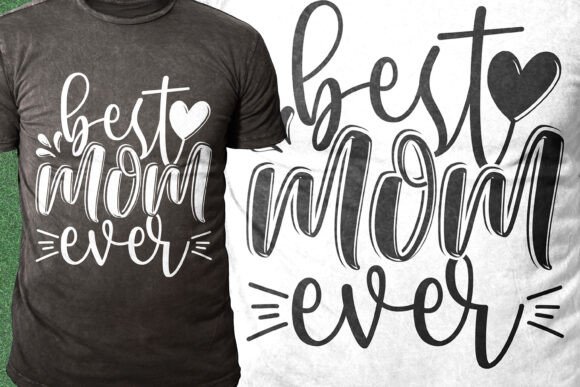
When I opened the preview, the design immediately felt warm and playful. The phrase “Best Dog Mom” isn’t just a statement—it’s an identity. The layout typically balances a friendly, slightly whimsical typeface with a small paw print or heart accent that sits naturally beside the text. That little visual anchor does a lot of heavy lifting. It softens the lettering and gives the whole piece a polished, gift-ready look.
For embroidery, this kind of composition is a gift. The central message is bold enough to read clearly even when scaled down, and the accent shape keeps the design from feeling like a block of plain text. I can already imagine how it would look on a canvas tote bag, stitched in a rich charcoal thread, with the paw print in a slightly lighter tone to add depth. That’s the kind of subtle detail that makes a handmade product feel premium.
Where This Design Shines in Real Embroidery Work
I ran a test scenario last week while preparing a Mother’s Day gift set for a client who runs a small dog-walking business. She wanted a custom embroidered tote bag and a matching kitchen towel. The Best Dog Mom T-shirt Design became the unifying element across both items. On the tote—a sturdy 10 oz canvas—I used a medium fill stitch for the lettering and a satin stitch for the paw accent. The result was crisp, with no puckering, and the design held its shape beautifully after a gentle wash cycle test.
This design naturally fits into a wide range of products:
- Tote bags and zipper pouches for everyday dog-mom pride
- Sweatshirts and crewnecks, especially when you want a cozy, casual vibe
- Kitchen towels and aprons that feel personal and functional
- Baby onesies and toddler tees for the littlest dog lovers
- Patches that can be sewn onto jackets, backpacks, or dog bandanas
- Pillow covers and blankets for pet-themed home decor
- Caps and hats, though the sizing needs careful attention
What I appreciate most is the versatility. The design doesn’t scream “t-shirt” even though it’s sold as a t-shirt design. Its emotional message carries over seamlessly to any fabric surface. For Etsy sellers, craft fair vendors, and anyone building a small shop around dog-parent gifts, this file is a shortcut to a high-demand niche.
Fabric, Texture, and Product Pairing Notes
Not every design works on every fabric, and I learned that early on with detailed lettering files. The Best Dog Mom T-shirt Design holds up well on medium-weight woven fabrics like cotton, linen, and canvas. On these, you can use a standard cutaway stabilizer and achieve a clean finish. The key is to test the stitch density on a scrap first. If the lettering has narrow strokes, a slightly looser fill stitch prevents the thread from cutting into the fabric.
On stretchy fabrics—think jersey t-shirts or fleece sweatshirts—I always add a fusible mesh stabilizer behind the design. The paw print or small accent element might shift slightly on a curved surface like a cap, so I reduce the design size by about 20% and use a lighter running stitch for the outline if I’m digitizing from scratch. The vector nature of the file makes resizing painless, which is a huge plus for embroidery digitizing.
Navigating the Details That Make or Break a Project
One thing I always check before committing a design to a client project is how the smallest elements behave. The accent in this design—whether it’s a paw print, a heart, or a tiny star—needs to be at least 3mm wide to stitch cleanly without becoming a thread blob. If the original file has intricate tiny details, I’ll simplify them during digitizing. The seller’s note that they can offer any kind of design you want suggests you might even request a version with slightly bolder shapes if you need it for a small hoop size like 4x4 inches.
I also recommend testing the design in black and white. A strong silhouette translates well to monochrome embroidery, which is often what customers want for a classic, understated look. The Best Dog Mom T-shirt Design passes this test easily because the lettering is the hero, and the accent provides just enough contrast.
Thread Choices That Elevate the Finished Product
Thread color can make or break the emotional impact of a design. For a light-colored tote bag, I’ll often use a deep navy or espresso brown for the lettering and a soft blush or gold for the paw accent. On a dark sweatshirt, a bright white or silver thread pops beautifully. When I stitched a set of tea towels in a natural linen hue, I went with a muted sage green and a warm coral accent—the combination felt fresh and instantly giftable. Always test your thread choices on the exact fabric you’ll be selling, because the way light reflects on polyester thread versus cotton thread can change the whole vibe.
Building Customer Trust and Brand Consistency
If you’re listing products on Etsy or at a local craft fair, the design you choose says a lot about your brand. The Best Dog Mom T-shirt Design comes across as heartfelt and inclusive, not trendy or overly cutesy. That helps build trust because buyers feel they’re getting a product that will still feel meaningful a year from now. I’ve seen dog-mom merchandise sell steadily year-round, with spikes around Mother’s Day, Christmas, and even Valentine’s Day. A design that can be adapted to different colors and product types means you can keep your shop cohesive without redoing your entire inventory.
I also use this kind of design as a safe upsell. When a customer orders a custom tote, I’ll offer a matching kitchen towel or a small patch with the same design at a bundle price. The design’s clear, readable message makes it easy to pair across items without confusion.
Practical Considerations Before You Stitch
Here’s where I lean on my experience to avoid the most common pitfalls. Always, always run a stitch-out on scrap fabric before you touch the final product. This gives you a chance to check thread tension, adjust any density issues, and see how the design behaves on that specific fabric. I also recommend:
- Check the file format. The product description says it’s a vector design, which is great for digitizing, but confirm whether it’s supplied as SVG, EPS, or AI. You’ll need to convert it to an embroidery machine format like PES, DST, or EXP.
- Review the hoop size. Know the maximum embroidery area of your machine. If the design is too large for a 4x4 hoop, you may need to split it or scale it down carefully.
- Inspect small details. Look for thin lines that might disappear under stitches. If the vector has a delicate outline, consider thickening it in your digitizing software.
- Test on both light and dark fabrics. A design that looks airy on white can look completely different on black. Adjust thread colors accordingly.
- Use the right stabilizer. For woven items, a tear-away stabilizer often works. For knits, always go with cutaway. For dense stitching, a topping film prevents stitches from sinking into plush fabric.
- Confirm licensing. The seller mentions they can offer any design you want, but that doesn’t automatically grant commercial use rights. Ask directly if you can sell finished embroidered products made from this file. Protect your business by having that permission in writing.
Real-Life Scenario: A Custom Sweatshirt That Built Repeat Business
Last month, a customer asked me to embroider a pullover sweatshirt for her sister, who had just adopted a rescue dog. I used the Best Dog Mom T-shirt Design with a soft, heathered gray fabric. Because the sweatshirt had a slight texture, I added a water-soluble topping to keep the satin stitches clean. The lettering I kept in a deep plum, and the paw print in a shimmering metallic thread—just enough sparkle to feel special without being gaudy. When the sister posted a photo online, I received three more orders within a week. That’s the power of a design that connects emotionally and looks professional when stitched.
Where to Be Cautious
Even a great design needs a watchful eye. I wouldn’t push this design onto extremely thin, sheer fabrics without a heavy stabilizer, because the pull of the stitches can cause puckering. On heavily textured fabrics like terry cloth, the lettering might lose definition, so I’d simplify the stitch type or increase the size. For very small embroidery areas, like a baby sock or a narrow ribbon, the text might need to be simplified or replaced with just the paw accent. And if you’re embroidering on curved surfaces like a cap, digitize the design with a slight arc to match the crown’s curve—this prevents the lettering from looking distorted.
Turning the Design into a Finished Product That Sells
The Best Dog Mom T-shirt Design is more than a cute graphic; it’s a business asset. Because it’s sold under the Crafts category and labeled as Graphics, it’s specifically intended for makers who will transform the digital file into something tangible. That positions you to create a line of products that feel unified and personal. I’ve used it for bridal party gifts (a dog-mom bride, of course), for holiday gift bundles, and even for a small batch of boutique tote bags that sold out at a local pet expo.
When presenting the product in your shop, use a printable mockup that shows the design on a range of items—a tote, a sweatshirt, a cap. This helps buyers visualize the finished product and increases engagement. The emotional hook of “Best Dog Mom” appeals to a broad audience, from young pet parents to grandmothers who treat their dogs like family. That wide appeal is exactly what you want in a craft business.
In the end, this design earns its place in my embroidery library because it’s reliable, heartwarming, and adaptable. It doesn’t try to do too much, and that restraint is what makes it work across so many real-world projects. Whether you’re a seasoned digitizer or just starting to build your handmade product line, this file is a solid foundation for something people will love to wear, use, and gift.