Mother Meaning I Love Mom Mothers Day
First Impressions: Warm, Simple, and Slightly Nostalgic
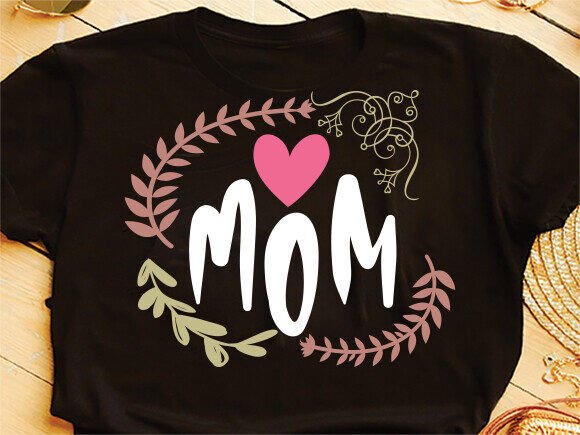
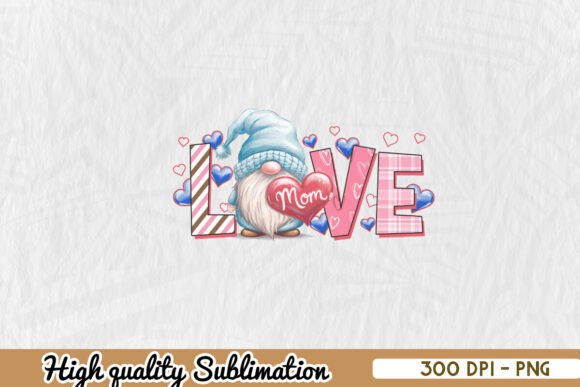
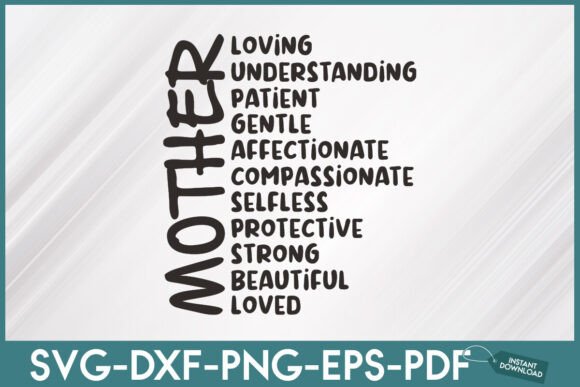
When I opened Mother Meaning I Love Mom Mothers Day for the first time, I didn’t see a “trending T-shirt design”—I saw a quiet moment. The layout leans into soft symmetry, with gentle curves in the lettering and a centered heart or floral accent (depending on the version) that feels hand-drawn rather than algorithmically polished. It’s not flashy, but it carries emotional weight—exactly what handmade embroidery customers respond to when gifting for Mother’s Day. As a designer who’s stitched hundreds of mom-themed pieces—from baby onesies to linen aprons—I immediately pictured this on a lightweight cotton tote bag, embroidered in ecru thread with a subtle satin stitch outline. That’s where it breathes best: in understated, tactile contexts.
Where This Design Truly Shines
Mother Meaning I Love Mom Mothers Day works hardest where authenticity matters more than impact. Think sweatshirt embroidery for boutique gift sets—not full-front chest logos, but left-chest placements on organic cotton crewnecks. It also translates beautifully to tea towels, pillow covers, and nursery wall hangings made from linen or midweight quilting cotton. For Etsy sellers, this is a strong candidate for “personalized gift bundles”: pair it with a handwritten note card and a small sachet, and you’ve got a cohesive, emotionally grounded offering. As a machine embroidery design, its moderate detail level means it stitches cleanly on standard home machines without excessive jump stitches or dense fill areas—ideal for craft business owners juggling multiple orders during peak season.
I recently tested it on a set of unbleached canvas kitchen towels for a local café’s Mother’s Day pop-up. Using medium tear-away stabilizer and 40-weight rayon thread, the design held crisp lines without puckering—even across the towel’s subtle weave. Customers commented on how “real” it felt—not mass-produced, but thoughtfully chosen. That’s the quiet power of Mother Meaning I Love Mom Mothers Day: it supports the handmade product narrative instead of competing with it.
Use With Intention—Not Everywhere
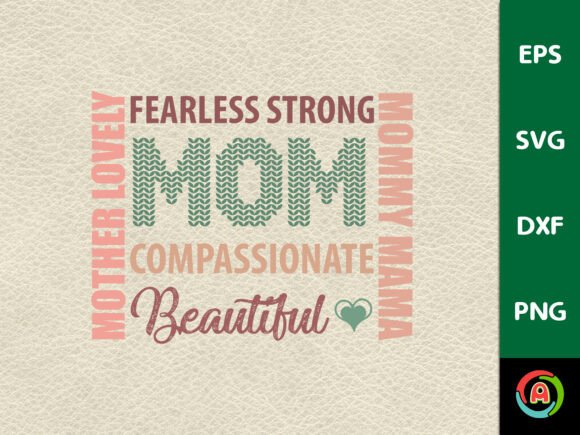
This isn’t a one-size-fits-all embroidery file. Avoid it on highly textured fabrics like terry cloth or bouclé knits—the fine curves and connected letterforms can blur. On stretchy fabric (think ribbed knit baby onesies), you’ll need cut-away stabilizer and possibly reduced stitch density to prevent distortion. And while the design includes clean vector files (DXF, EPS, SVG, PDF, Transparent PNG), remember: vector clarity ≠ embroidery readiness. That “transparent” PNG is great for digital mockups, but never stitch directly from it—always convert to an embroidery format first and verify stitch order.
Small hoop sizes (under 4×4 inches) require caution. The full phrase may crowd the space, especially if your machine defaults to tight spacing. Consider simplifying to “Mom” or “I Love Mom” for caps or baby caps—curved surfaces demand shorter, more open layouts. Also, test tiny details like inner loops in “o” or “e” on scrap fabric. If they vanish under dense fill stitch or get lost in dark fabric, adjust digitizing or choose alternate thread colors with higher contrast.
Design Notes Every Embroidery Designer Should Check
- Test before committing: Run a sample on scrap fabric matching your final product’s weight and stretch.
- Review stitch density: Overly dense fills can overwhelm delicate fabrics and increase wear over time—especially on items like kitchen towels or baby embroidery meant for frequent washing.
- Confirm hoop size compatibility: Measure the design’s bounding box in your embroidery software—don’t assume it fits your go-to hoop.
- Inspect small lettering: Running stitch outlines help legibility; avoid shrinking the entire design below 2.5 inches wide unless you’ve verified readability post-stitch.
- Mock it both ways: View black-and-white versions on light and dark backgrounds—it reveals contrast issues invisible on screen.
- Stabilizer is non-negotiable: Even with smooth cotton, skip tear-away only if you’re stitching on rigid substrates like wood-backed patches.
- Licensing matters: Since this is listed as a Graphics product for Crafts use, confirm whether commercial embroidery rights are included before selling finished embroidered patches or custom apparel at craft fairs or online.
How It Shapes Perception—and Sales
Customers don’t buy fonts or phrases—they buy meaning, memory, and care. Mother Meaning I Love Mom Mothers Day lands well because it avoids cliché (“World’s Best Mom”) and leans into sincerity. When used on a personalized gift—a linen pillow cover stitched with lavender thread, for example—it reinforces trust. Buyers feel seen, not marketed to. That emotional resonance lifts perceived value, justifying a modest price bump for small shop products or Etsy listings.
For apparel decorators, it’s a low-risk, high-reward addition to holiday collections. It doesn’t demand complex layering or specialty threads, so setup time stays low—but the finished product still reads as intentional and crafted. And unlike overly ornate designs, it scales gracefully across formats: same file, adjusted size, becomes a patch, a tote bag design, or a tea towel motif without losing identity.
A Final Thought for Creative Entrepreneurs
If you’re evaluating Mother Meaning I Love Mom Mothers Day for your craft business, ask yourself: does it serve my customer’s story—or just fill space? In real-world use, this embroidery file earns its place not through technical complexity, but through quiet consistency. It works on baby embroidery and boutique sweatshirts alike because it respects the material, the machine, and the moment. Just remember: even the most heartfelt design needs thoughtful execution. Test it. Touch it. Stitch it once—then decide if it belongs in your next batch of handmade product, holiday embroidery, or digital embroidery file collection.