A Designer's Review of the Love Mom Gnome Embroidery File
When you download a new embroidery design, the first question is always whether it will hold up in a real project. It’s not about the pixels on screen; it’s about the stitches on fabric. I’ve been looking at the Love Mom Gnome Sublimation PNG file from this angle. Let’s walk through what this design offers for crafters and small businesses, and where it shines—or might need a bit of extra care.
The Gnome's First Impression: Warm, Friendly, and Uncomplicated
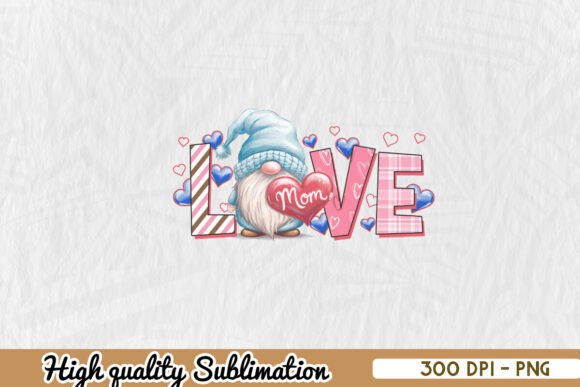
This design immediately creates a mood of affectionate warmth. The gnome character is charming without being overly complex, and the “Love Mom” text is integrated in a way that feels organic, not slapped on. For embroidery, this is a good start. The layout is balanced, with clear areas for fill stitches in the body and hat, and finer details in the face and lettering. Its visual personality is sweet and approachable, which tells me it belongs on projects meant as gifts or personal keepsakes. Think embroidered pillow covers for a nursery, a special apron, or a framed tea towel. It’s not an aggressive logo; it’s a sentiment.
Where This Gnome Finds Its Home: Perfect Project Matches
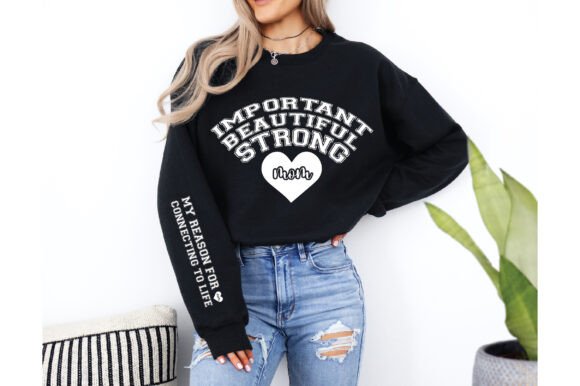
In practical terms, this design would be a lovely choice for custom apparel like sweatshirts or t-shirts meant as Mother’s Day gifts. It would translate beautifully onto a tote bag for a boutique, or as a small patch on a baby blanket. The theme is inherently gift-oriented, so it fits holiday embroidery projects, personalized gifts, and small shop merchandise for occasions like weddings or family celebrations. For an Etsy seller, this could become a staple for creating handmade products with high emotional value. The gnome is recognizable and friendly, which boosts buyer engagement when customers are looking for something heartfelt.
Consider a real scenario: You’re preparing a custom embroidered cap for a client’s mother. The “Love Mom” gnome isn’t just decoration; it’s the message. On a curved surface like a cap, the design’s compact shape and clear outlines would be key. You’d want to ensure the lettering remains legible and the gnome’s cheerful expression comes through. That’s the kind of thinking this file invites.
Navigating the Stitching: Where to Use It, and Where to Be Cautious
The design’s detail level is moderate, which is generally good for machine embroidery. However, there are always considerations. The small lettering in “Love Mom” requires attention. On very textured fabrics, or on thin, stretchy fabrics like some t-shirts, those tiny satin stitches could lose clarity. For dark fabric backgrounds, you’d need to plan thread color contrast carefully—a light, bright palette would be essential to keep the gnome vibrant.
For products that need frequent washing, like kitchen towels or everyday sweatshirts, the stitch density in the gnome’s filled areas should be robust enough to withstand wear. This is where testing becomes crucial. I would not run this embroidery file on a very small hoop size without first checking that the finer elements don’t get muddled. Similarly, on a dense fabric like a thick tote bag, you might need to adjust stabilizer use to keep the details crisp.
The Professional Impact: Clarity, Value, and Trust
Using a design like this affects more than just the stitch. It influences the perceived value of your finished product. A clear, well-executed gnome on a tote bag looks professional and thoughtful, which builds customer trust. For a craft business, it supports brand consistency if you specialize in heartfelt, family-oriented items. The design’s giftability is high, making it a strong choice for holiday markets or Etsy listings focused on personalized keepsakes.
However, its commercial appeal hinges on execution. A blurred letter or a puckered fill stitch can undermine that warmth. That’s why the designer’s process is vital.
Practical Notes from the Worktable
Before committing this design to a client project, here is my standard checklist. First, test the design on scrap fabric that matches your final project material. This reveals how the fill stitches behave and whether the small details hold up. Second, check thread color contrast against both light and dark backgrounds. Create black and white mockups to see the value structure. Third, review the overall stitch density in your machine software—are there areas so dense they might cause fabric pull?
Always confirm the hoop size needed for clarity, and inspect how the design looks on a curved surface if you’re planning cap embroidery. For commercial embroidery or selling the finished items, you must confirm the licensing terms for the digital file. The product description mentions it’s for creating your own projects, but for commercial use, clarity on rights is essential.
Finally, consider the product range. This Love Mom Gnome Sublimation PNG feels ideal for projects where the handmade presentation is key: embroidered patches for jackets, custom baby items, or decorative pillow covers. It’s a craft business asset that, when stitched well, turns a simple graphic into a treasured object.
A Final Thought for Makers
In the world of digital embroidery files, a design’s success is measured by the smiles it creates and the durability of the stitches. This gnome design has the heart for it. Its strength is in its emotional theme and clean composition. Your job as the maker is to pair it with the right fabric, the right stabilizer, and the right intention. Whether you’re creating a one-off gift for a mother or stocking your small shop with embroidered treasures, approach it with that practical, testing mindset. Then, watch that friendly little gnome come to life in thread, just as intended.