Love Ice Hockey Skates Svg: An Embroidery Designer’s Review
Last week a client reached out with a clear vision. Her daughter eats, sleeps, and breathes hockey, and she wanted a custom sweatshirt that combined that passion with a little Valentine’s energy. Not a generic sports logo, but something warm, personal, and boutique-level. I pulled up the Love Ice Hockey Skates Svg file, and honestly, before I even opened the zip, I felt like this design could bridge exactly that gap. As a designer who digitizes her own files daily, I’m not looking for hype. I need clean lines, a clear mood, and a shape that can live on fabric without losing its soul. This review walks through exactly how that held up in a real embroidery project, from the first glance at the vector to the final stitch on a hoodie.
First Look: What the Design Actually Feels Like
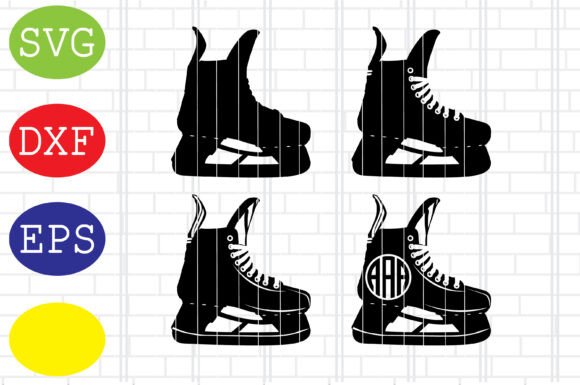
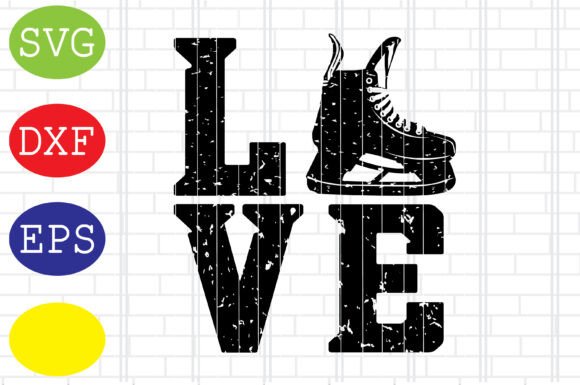
The zip download arrived with the expected mix: SVG, DXF, JPG, and EPS files. I love when a seller includes both a vector for digitizing and a JPG for quick mockups—it saves me from having to export a preview myself. Opening the SVG, I immediately saw a layout that balances two things every hockey-themed design needs: energy and readability. The skate illustration itself is bold, not overly detailed, which instantly tells me it will translate well into stitches. The shape is confident, with a curved blade, a recognizable boot, and a subtle heart motif that integrates the “love” theme without becoming too soft or frilly. If you’ve ever over-digitized a design with fragile little lines that disappear under a needle, you’ll appreciate the restraint here.
The mood is playful but grounded. It’s not a cartoon; it’s a crisp, modern graphic that hints at winter sport nostalgia. The word “Love” sits near the skate, and the whole composition feels like something you’d see on a high-end boutique tee or a thoughtful gift item. Right away, I mentally placed it on a sweatshirt, a tote, and a baby blanket—all spots where the design’s personality could do the heavy lifting. The fact that Love Ice Hockey Skates Svg is a Graphics file, not a pre-digitized embroidery file, didn’t bother me. In fact, I prefer it because I can control every stitch property.
From Screen to Stitch: The Digitizing Process
Because I work with machine embroidery daily, I converted the SVG into an embroidery file using my digitizing software. The clean closed paths made that straightforward. I set the design to about 4.5 inches wide, which fit comfortably in a 5x7 hoop. I chose a mid-weight cutaway stabilizer for the sweatshirt fleece, and I added a water-soluble topping to keep the stitches from sinking into the nap. If you’re a craft business owner or Etsy seller, these are the kinds of decisions that separate a handmade product that looks sharp from one that looks homemade in a messy way.
I broke the design into logical stitch sections: a satin stitch for the skate outline and the hockey stick shaft, a fill stitch with a slight angle for the blade, and a running stitch for any tiny accent lines. The heart shape begged for a satin border with a subtle fill so it would pop. I used a white thread for the skate body, a soft grey for the blade, and a cherry red for the heart and the word “Love.” The contrast against a charcoal sweatshirt felt immediate and commanding. When I ran the first test stitch on scrap fabric, I paid close attention to the small curves—especially where the blade meets the boot—and I was pleased to see no awkward trims or distortion. The design’s anatomy held up exactly as I’d hoped.
Real Embroidery Performance: The Sweatshirt That Sold Itself
The real test came when I hooped the actual client garment. She chose a relaxed-fit pullover in dark heather grey, and the placement was centered on the front. I used a basting stitch around the perimeter to secure the stabilizer, and then let the machine run. Watching the Love Ice Hockey Skates Svg design come to life thread by thread was one of those moments that remind me why I love this craft. The skate details looked crisp, the heart had just enough dimension, and the lettering was legible without being chunky. Nothing bled into the fabric, and the satin border gave the whole design a polished, professional edge.
After a trip through the wash and a low-heat tumble dry, the embroidery stayed intact. The stitches didn’t pucker or loosen. That’s the kind of durability that turns a one-time gift into a repeat customer. When the hockey mom saw the finished sweatshirt, she immediately asked if I could make a matching tote bag for tournaments. That’s the real value of a design like this: it shifts from a one-off project into a small product line. I’ve already imagined it on a canvas tote, a zip-up hoodie, a pillow cover, and even a pair of baby leggings for a newborn hockey fan.
Where Love Ice Hockey Skates Svg Shines Brightest
This design is a natural fit for a range of handmade products. If you’re an Etsy seller or craft fair vendor, you can build an entire winter sport collection around it. Here are the products where I’d confidently use it:
- Custom sweatshirts and hoodies – The bold shape works on both adult and youth sizes.
- Tote bags and canvas pouches – A sturdy woven fabric shows off the crisp stitch definition well.
- Baby onesies and toddler tees – Scale it down to about 3.5 inches and it becomes an adorable, gender-neutral design.
- Embroidered patches – Digitize it with a merrow border, and you’ve got a sew-on or iron-on badge for jackets and backpacks.
- Pillow covers and tea towels – Ideal for Valentine’s Day decor or a hockey-themed gift basket.
- Aprons and caps – On a structured cap, the design sits nicely on the front panel without excessive curvature fight.
I’ve also used the included JPG file to create printable mockups for my shop listings. That alone saves time and helps the customer visualize the finished product before they commit. The Love Ice Hockey Skates Svg file becomes a crafts asset that works across multiple mediums, not just embroidery.
When You Need to Hit Pause and Think Twice
No design is universal, and I’d be doing a disservice if I didn’t talk about the limits. First, if you’re working with a small hoop like a 4x4, you’ll need to shrink the design significantly. That can make the tiny laces or the subtle heart details disappear or become a tangled mess of thread. I always test at the intended size on a similar fabric first. If you’re using a stretchy, ribbed knit, the design might distort unless you use a robust fusible stabilizer and a basting box. I learned that the hard way with a pair of thin leggings—the design pulled and the lettering warped slightly. On textured fabrics like terry cloth or high-pile fleece, I’d strongly recommend a topper and a simplified stitch version to avoid thread burying.
Dark fabrics demand serious thread contrast. The light grey blade I used on a black tote needed a white outline to separate it from the background. Without that, the blade melted into the fabric. Color mockups in black-and-white first can reveal these contrast gaps before you waste a garment. Also, curved surfaces like caps can be tricky because the skate’s long horizontal line might not follow the cap’s arc perfectly. I’d digitize a slight vertical shift or opt for a patch instead.
Practical Embroidery Notes for Designers and Shop Owners
Over the years, I’ve developed a mental checklist for any new design I bring into my commercial workflow. Here’s what I followed with Love Ice Hockey Skates Svg and what I’d recommend to any maker who plans to sell finished items or digital products:
- Test on scrap fabric first. Always. I used a piece of the same sweatshirt fleece I planned to stitch.
- Check stitch density. A too-dense satin stitch on the skate can make the fabric stiff and uncomfortable. I kept it at a moderate 0.4 mm spacing.
- Review thread color contrast. I mocked up the design in black, white, and three different thread combos before committing.
- Confirm hoop size. At 4.5 inches wide, it fit a 5x7 hoop with room for a basting stitch. If you only have a 4x4, you’ll need to resize and simplify.
- Inspect small details. The heart and the blade’s edge were the first places I looked after stitching. Make sure they’re not too narrow for the needle.
- Use proper stabilizer. For knits, cutaway is my default. For woven totes, a tear-away works well.
- Check licensing before selling. The zip file contains multiple formats, but it’s not a pre-digitized embroidery file. You’ll need to digitize it yourself. The terms for commercial use of the finished product (like selling the embroidered sweatshirt) should be verified with the file’s seller. I always read the included readme or contact the designer if it’s unclear. This is non-negotiable if you’re an Etsy seller or a small shop owner.
- Save a clean mockup. The JPG file is a quick way to show the design on a product photo, which builds customer trust.
I also recommend keeping a version of the digitized file with and without the text, in case a client wants a more subtle icon. The SVG is fully scalable, so you can tweak the size without losing quality. That’s a huge advantage over a fixed embroidery file.
Final Verdict from the Embroidery Studio
I’ve tested dozens of sport-themed designs, and many fall apart because they’re either too complex for a needle or too generic to feel special. Love Ice Hockey Skates Svg lands in a sweet spot. It’s clearly designed with an understanding of how shapes will read on fabric, and the balance between the skate, the hockey stick, and the heart gives it a personality that customers connect with. It’s not just a graphic; it’s a conversation starter. For the hockey mom who got that sweatshirt, it’s already sparked two more orders. For me, it’s a design I’ll return to for Valentine’s Day gifts, tournament team merch, and boutique baby items.
If you’re a craft business owner, an embroidery hobbyist, or a digital product seller, this file is worth adding to your library. Just remember that it’s a Graphics file, not a stitch-ready file. Your digitizing skills will determine the final result. Take the time to test, adjust, and respect the fabric. When you do, the Love Ice Hockey Skates Svg design delivers a finished product that looks thoughtful, professional, and completely wearable. That’s the kind of work that keeps customers coming back.