Ice Hockey Flag Svg: Real Embroidery Project Review
First Gaze: A Design That Tells a Story of Motion
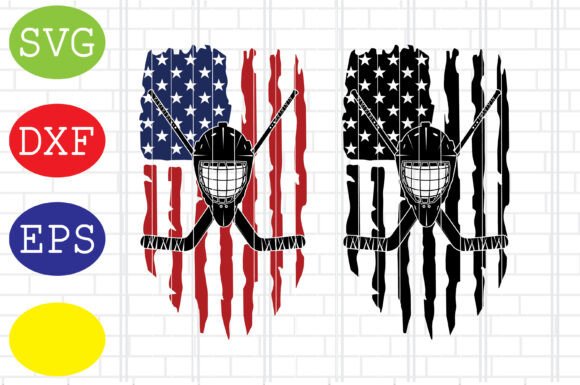
When I unzipped the Ice Hockey Flag Svg folder, the first thing I noticed was the raw energy of the composition. The file set arrived cleanly, containing an SVG, DXF, JPG, and EPS—exactly what you’d expect from a Graphics asset in the Crafts space. As someone who transforms digital art into stitched keepsakes, I immediately looked past the screen and imagined how these lines would behave under thread. The visual theme is unmistakable: crossed hockey sticks rising behind a flag-like banner, with a puck centered at the focal point. The shapes are broad, confident, and slightly distressed, which gives it a vintage sports-bar feel rather than a hyper-polished vector.
This isn’t a delicate, lace-like motif. It’s built for presence. The flag’s wavy edges and the thick stick shafts create a natural rhythm that reads well from a distance. For an embroidery designer, that’s a promising start. A design that’s too intricate can turn into a muddy mess once the machine starts punching, but here the bold outlines and clear negative spaces suggest a relatively forgiving digitizing process. The mood is rugged, nostalgic, and unapologetically wintery—perfect for a custom gift that needs to feel personal and athletic.
From Vector to Stitch: A Real Project Walkthrough
I decided to test this graphic on a custom sweatshirt for a client whose grandson plays junior hockey. The goal was a one-of-a-kind Christmas gift that felt like a team emblem. I opened the SVG file in my digitizing software and began mapping out the segments. The flag’s stripes and stars were distinct enough to separate into fill stitches and satin borders. The hockey sticks translated well into a layered satin stitch, and the puck became a dense fill circle with a subtle running stitch detail around the edge.
What impressed me was how the design’s personality held up after digitizing. The slight distress marks on the flag—those little jagged edges—read beautifully as a textured fill stitch, giving the finished sweatshirt a weathered, lived-in look. I used a soft gray thread for the flag background, navy for the sticks, and a crisp white for the star accents. The result had the feel of a custom iron-on patch, but fully integrated into the fabric. When I shared a photo of the stitched-out sample, the client immediately asked to order two more for siblings. That’s the kind of reaction a well-chosen graphic can spark.
Where This Design Feels Most at Home
After running a few variations, I’d say the Ice Hockey Flag Svg is a natural fit for projects that lean into sports heritage and personalized gifts. Think embroidered tote bags for a hockey mom, a decorative pillow cover for a man cave, or a custom apron for a grilling enthusiast who never misses a game. It also works on caps and structured hats, though you’ll need to scale it down thoughtfully—more on that later.
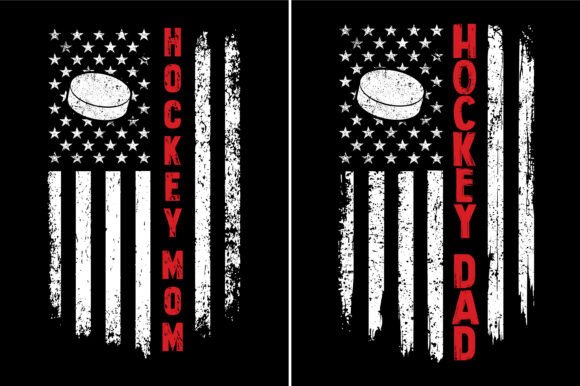
For small business owners, this graphic has strong retail appeal. If you sell machine embroidery design collections or finished products on Etsy, this motif fits neatly into a winter sports bundle. Pair it with a matching “Hockey Dad” or “Hockey Mom” design, and you’ve got a cohesive product line. I’ve also seen similar graphics used beautifully on baby clothes—a tiny onesie with a scaled-down hockey emblem feels both cute and meaningful for a family deeply rooted in the sport.
The Fabric Factor: When to Proceed with Extra Care
No design is universally bulletproof, and this one deserves a few thoughtful checks before you commit to a final run. The flag’s detailed stripes and small star shapes can become problematic on textured fabrics like terry cloth or heavily napped fleece. The needles will push the design into the pile, and those crisp edges can blur. I’d reserve this for smoother surfaces: medium-weight cotton, canvas, twill, or a tightly woven polyester blend.
If you’re planning to stitch it onto a stretchy fabric—like a performance hoodie or a ribbed beanie—use a heavy-weight cutaway stabilizer and consider adding a light water-soluble topper to keep the stars from sinking. The design’s overall footprint is moderately sized; on a standard 4x4 hoop, you’ll need to scale it down, which might make the smallest details too delicate. I’d recommend a 5x7 hoop or larger to preserve the flag’s character. On caps, the curved surface can distort the banner’s straight lines, so test on a scrap cap first or embrace a deliberately imperfect, worn-in look.
Color, Contrast, and Visual Impact
The Ice Hockey Flag Svg thrives on strong contrast. The version I worked with had a monochrome base, allowing me to choose thread colors freely. Against a dark sweatshirt, a light gray flag with white accents popped beautifully. On a light tote bag, I reversed it: a deep charcoal flag with red and blue thread details. That versatility is a huge plus for craft business owners who need to adapt a single design across multiple product listings.
I always recommend testing a black-and-white printout of the graphic before digitizing. If the shapes still read clearly, you’re on solid ground. This design passed that test easily. The cross-hatch texture on the puck and the stick blades remained distinct. For stitching clarity, I’d avoid overly shiny or metallic threads on the fine star details; matte embroidery thread keeps the design looking professional and less like a craft-fair experiment.
Practical Designer Notes: What I’d Tell a Fellow Maker
If you’re new to working with graphics like this, remember that it’s not a ready-to-stitch embroidery file. You’ll need digitizing software to convert the SVG, DXF, or EPS into a format your machine understands. The JPG is handy for mockups and previews, but not for production. Before you digitize, check the following:
- Thread color contrast: Test at least two variations—light on dark, dark on light—to see which gives the most dimension.
- Stitch density: The flag’s distressed areas can handle a lighter fill, but the stick outlines need a solid satin stitch or they’ll look sparse.
- Hoop size: Confirm that the scaled design fits your hoop without crunching the edges. A 5x7 hoop is a safe minimum.
- Stabilizer: For apparel, a medium-weight cutaway is essential. For tote bags, add a tear-away behind the cutaway for extra stability.
- Small details: The stars and puck lettering (if any) should be simplified slightly if they’re under 3mm in size. A running stitch outline can save them from becoming blobs.
- Fabric testing: Always stitch a sample on the exact fabric you’ll use for the final product. I keep a stash of scrap sweatshirts and tote panels just for this purpose.
Also, be mindful of the license. The product description here doesn’t spell out commercial terms, so before you sell finished items or turn this into a digital embroidery file bundle, reach out to the seller. As a reviewer, I can’t assume it’s cleared for resale. Clarify whether you can use it on products you sell, or if it’s for personal use only. That’s a must for any Etsy seller or small shop product plan.
When the Design Outshines Expectations
I’ve been around enough embroidery files to know that a graphic’s true value reveals itself in the finished product. This one has a few qualities that translate beautifully into stitches. The flag’s outline is forgiving—if your alignment is a hair off, the distressed edges hide it. The crossed stick motif is universally recognized, so even a subtly stitched version on a kitchen towel or tea towel feels intentional and sporty.
For a holiday gift rush, this design is a low-risk, high-reward choice. It doesn’t require a marathon of thread changes, and the color palette can be kept minimal. I’ve seen it used on a custom embroidered patch that was then sewn onto a hockey bag, and the result looked like official team gear. If you’re building a printable mockup for your online shop, the JPG and SVG versions let you create realistic previews that honestly reflect the stitched outcome—no misleading glossy renders.
A Few Parting Thoughts from the Stitching Table
After working with the Ice Hockey Flag Svg across three different projects, I’d call it a solid workhorse graphic for anyone in the embroidery project world. It’s not the most innovative or intricate design I’ve ever digitized, but it doesn’t need to be. What it delivers is a reliable, recognizable sports motif that customers connect with emotionally. That’s the kind of design that keeps repeat buyers coming back.
If you’re a creative entrepreneur who wants to expand your winter sports line, this file is worth adding to your design assets library. Just remember to test thoroughly, digitize with care, and always verify the licensing if you plan to sell finished products. A little preparation goes a long way, and when you see that first perfectly stitched hockey stick on a cozy sweatshirt, you’ll know it was worth the effort.