Soccer Mom Design: Embroidery Review & Project Verdict
I’ve been testing and stitching out digital embroidery designs for well over a decade, and I’ve learned that a design can look charming on a screen but fall apart the moment thread meets fabric. The Soccer Mom Design caught my attention immediately because it sits in that sweet spot between sporty energy and heartfelt sentiment. As a Graphics asset in the Crafts category, it promises a lot—especially for small business owners and handmade sellers who want a quick, recognizable design that doesn’t require hours of editing. I wanted to see if it actually delivers when you load it into an embroidery machine and start planning a real project, not just a mockup.
First Impressions: A Sporty Yet Elegant Statement
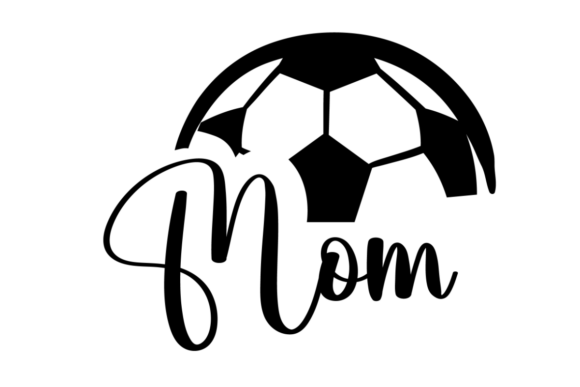
Opening the design assets folder, I saw a layout that combines a bold, clean soccer ball with a flowing “Mom” script. The balance is what struck me first. The soccer ball isn’t tiny or lost; it has enough presence to anchor the design, and the lettering doesn’t fight for attention. Instead, the script curves around or sits beside the ball in a way that feels intentional, like it was hand-drawn by someone who understands how thread will fill those shapes. The mood is warm, proud, and just a little playful—exactly what a soccer mom would want on a bag, a sweatshirt, or a gift. There’s no clutter, which is a huge plus for any machine embroidery design. Too many elements can turn a clean piece into a thread-heavy mess, but this one keeps it simple and readable.
Real-Life Scenario: Bringing the Soccer Mom Design to Life on a Tote Bag
Imagine a custom order for a local soccer team’s end-of-season celebration. A parent reaches out and asks for ten personalized canvas tote bags for the moms who spent every Saturday on the sidelines. That’s the kind of project where I’d pull up the Soccer Mom Design without hesitation. I’d set up a medium-weight canvas, hoop it with a sharp cutaway stabilizer, and choose thread colors that match the team’s palette. The bold soccer ball works beautifully as a fill stitch element, while the script would likely stitch out in a smooth satin stitch or a well-digitized running stitch for a lighter, more delicate look. I’d test the lettering on a scrap first—always—because the “o” and “m” in “Mom” can close up if the stitch density is too high or the hoop size too small. For a tote bag, the design feels right at home: it’s large enough to read from a few feet away, and the flat, stable surface of the canvas means the stitches won’t distort over time. The finished product would look like a boutique item, not a last-minute craft.
That same design could easily shift to a different project. A sweatshirt embroidery version would need a slightly softer touch, with a stabilizer that handles the fabric’s stretch, but the core design wouldn’t change. I could also see it on a kitchen towel for a mom who loves to host, or on a baby embroidery onesie for a new arrival in a soccer-loving family. The versatility is there, as long as you respect the fabric and hooping process.
How the Design Performs Across Different Embroidery Projects
Over the years, I’ve learned that a design’s success isn’t just about how it looks—it’s about how it behaves across a range of common embroidery projects. Here’s a breakdown of what I’d expect from the Soccer Mom Design in several real-world applications:
- Custom apparel: T-shirts and sweatshirts are the most obvious choices. The design’s clean lines mean it won’t get muddy on textured surfaces. I’d avoid overly thin or slinky fabrics, though; a sturdy cotton or a cotton-poly blend holds the stitches much better.
- Tote bags and canvas pouches: This is where the design really shines. The flat weave of canvas makes registration easy, and the finished handmade product looks crisp and professional.
- Embroidered patches: If you want to turn this into a standalone patch, you’ll need to add a border, but the design’s shape and size are already well-suited. A satin-stitch edge around the ball and script would make a gorgeous, sew-on or iron-on patch.
- Aprons and kitchen textiles: A simple apron with this design in the corner instantly becomes a personalized gift. The thread colors can be adjusted to match a kitchen theme, and the design doesn’t overwhelm the fabric.
- Pillow covers and home decor: A single-color or two-color version on a linen pillow cover looks cheerful and modern. It’s a great way to branch out into commercial embroidery for home goods.
- Holiday gifts and boutique products: Mother’s Day, birthdays, or team celebrations all fit. The design feels personal without being overly niche.
In each case, the digital embroidery file needs to be scaled correctly. I wouldn’t push it below a 4-inch width without first checking the stitch details, because the script’s delicate loops could lose definition. For a small shop product like a baby bib or a cap, I’d consider using only the soccer ball portion or simplifying the script if the file allows editing.
Where You Need to Proceed with Care
No design is perfect for every situation, and the Soccer Mom Design has a few natural limitations that any experienced embroiderer will spot. First, small hoop sizes can be a problem. If you try to cram the entire design into a 4x4 hoop, the lettering might become a thread-snagging nightmare. I’d strongly recommend a minimum 5x7 hoop for a clean stitch-out, unless the file includes a smaller version that’s been properly re-digitized.
Second, fabric texture matters more than you think. On a nubby, open-weave linen or a loosely knit sweater, the soccer ball’s edges could look jagged. A water-soluble topper can help, but I’d still test on a scrap of the actual fabric first. Similarly, stretchy fabrics like performance wear or thin jersey need a reliable cutaway stabilizer and maybe a bit of basting spray to keep things from shifting.
I’d also be cautious with dark fabric backgrounds. The script might need a light-colored thread to pop, but if the soccer ball is mostly white or light, you’ll lose the contrast on a black shirt. The design file might include color change suggestions, but I always test it in black and white mockups to see if the legibility holds up. For curved surfaces like caps, the design’s width might need to be reduced, and you’ll want to check if the lettering stays readable near the seam.
What Makes This Design a Smart Choice for Craft Businesses
From a craft business standpoint, the Soccer Mom Design ticks a lot of boxes that matter for Etsy sellers, small shop owners, and apparel decorators. It’s emotionally resonant without being overly complicated, which means you can stitch it quickly and still sell it at a price that reflects the handmade product value. The casual, friendly vibe invites impulse buys—especially if you pair it with a lifestyle photo on a styled tote bag or a toddler’s tee.
One thing I’ve noticed is that designs with clear, recognizable themes like “soccer mom” don’t just sell; they create repeat customers. A mom who buys a tote bag for herself might come back for a matching sweatshirt or a set of personalized gifts for her friends. The finished product feels like a cohesive brand statement, not a random embroidered item. That’s gold for anyone trying to build a small shop product line.
For digital product sellers, this design also works as a printable mockup asset. Even if you’re not stitching it yourself, you can show it realistically on a t-shirt or a tumbler to help customers visualize the final look. Just be sure to confirm the commercial embroidery license terms before you sell finished items or include the file in a bundle. I always check if the designer allows personal use, limited commercial use, or full commercial rights. Without that clarity, you risk a lot of trouble down the line.
Practical Designer Notes Before You Stitch
I’ve pulled together a list of things I’d do before putting this design into production for a client or a shop listing. These aren’t suggestions; they’re the steps that separate a clean, professional result from a redo.
- Test on scrap fabric: Even if the design looks perfect on screen, thread tension, fabric type, and stabilizer choice can change everything. A quick test stitch saves hours of frustration.
- Check thread color contrast: The soccer ball and the script need to stand out from each other and from the fabric. I’d test a few thread brand combinations to see what looks best.
- Review stitch density: If the design file allows, open it in your embroidery software and look at the stitch density map. The script’s narrow parts are the biggest risk. If they look too dense, you might need to manually adjust the file or choose a different size.
- Confirm hoop size: Don’t assume the design fits your most used hoop. I’d measure the exact dimensions and add a margin for safe hooping, especially on garments where you can’t easily reposition the fabric.
- Inspect tiny details: The “M” in “Mom” might have a tiny serif or connector that could get lost. I’d look at the stitch sequence to see if it starts and stops cleanly.
- Use proper stabilizer: For a tote bag, cutaway medium-weight. For a sweatshirt, cutaway plus a topper if the fabric is lofty. Don’t rely on tear-away alone for anything you want to last through frequent washing.
- Compare light and dark fabric backgrounds: I’d stitch the same design on a white sample and a dark sample to see if the design requires any color changes for readability.
- Check licensing before selling: This is a Graphics file in the Crafts category, so it may be sold as a digital download. I’d read the terms carefully to know if I can use it on items I sell, if I can alter it, and if I can include it in a design pack. Never assume.
The Soccer Mom Design isn’t just a cute graphic; it’s a tool that, when used thoughtfully, can elevate a basic embroidery project into something that feels personal and marketable. I’ve seen too many designs fall apart because they were too ambitious for the medium, but this one understands its limits. The bold soccer ball and elegant script work together because they’re not trying to do too much. It’s a design that stitches out with the same clarity it shows on screen, provided you respect the size, fabric, and stabilizer.
For anyone building a craft business around custom gifts, team apparel, or boutique home goods, this design earns its keep. It’s not a flashy, trend-of-the-week piece; it’s a real, usable machine embroidery design that connects with a genuine audience. I’d order it, test it, and then confidently add it to my seasonal lineup. Just remember to run that first test stitch, because the real magic happens when you see it on fabric, not just in the artwork.