Monster Truck Mom: Stitching Review for Real Projects
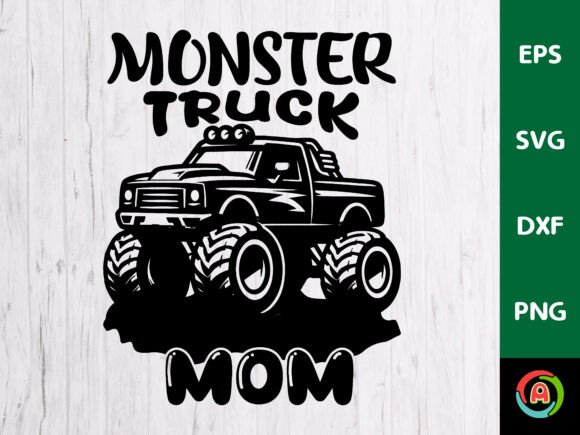
I recently pulled up the Monster Truck Mom vector pack to test it for a client’s project—a set of embroidered tote bags for a mom’s group fundraiser. The idea was to give each bag a bold, playful design that moms would actually want to carry, something that felt personal but not too cutesy. As soon as I opened the files, the design clicked. It has that energetic, proud-mom energy that works in a lot of handmade contexts. But as any embroidery designer knows, a graphic on a screen and a stitched-out piece on fabric are two different things. Here’s how this one holds up when you’re thinking about thread, tension, hooping, and real customer reactions.
What the Monster Truck Mom Design Communicates
The visual personality is immediate. You get a chunky, stylized monster truck paired with some form of “Mom” lettering, and the whole composition feels strong, fun, and a little bit rebellious. The shapes are rounded and bold, the kind of layout that reads clearly even from a few feet away. That’s a huge plus for embroidery because you don’t want the message to get lost in tiny, fussy details when someone glances at a sweatshirt or a tote bag.
From a designer’s perspective, the mood sits somewhere between a rally car decal and a handmade gift tag. It’s not overly girly, not overly aggressive—just a confident, playful statement. That makes it surprisingly versatile. I could see this on a nursery wall hanging, a dad’s cap for a monster truck rally, a toddler’s hoodie, or a mom’s weekend apron. The theme taps into the off-road, family fun niche that’s popular in small-batch merchandise and craft fairs.
Where This Design Shines in Embroidery Projects
If you’re building a product line around mother-themed gifts, custom apparel, or boutique children’s items, this design gives you a lot of mileage. I mentally placed it on a canvas tote bag first—the kind with a natural, slightly textured surface. The truck’s big tires and blocky body would read well as a fill stitch without getting swallowed by the fabric weave. On a soft French terry sweatshirt, the same design would feel cozy and statement-making, especially if you placed it on the back panel.
For craft business owners, the design also works nicely on smaller accessories like zippered pouches, bucket hats, or even a structured cap. The truck motif is compact enough to fit a standard 4x4 hoop without losing its shape, and the “Mom” element can be stitched in a contrasting thread color to make it pop. I’ve had customers request mom-themed patches for jean jackets, and this design would translate beautifully into a patch format—just add a merrowed edge after stitching, and you’ve got a high-margin product for an Etsy shop.
Because the original vector files are included, you can also use the design to create printable mockups, digital product previews, or even screen-printed samples before committing to an embroidery run. That’s a smart workflow for small shops that want to test a design’s market appeal without wasting thread and stabilizer.
The Real-World Stitching Test: Tote Bags, Sweatshirts, and Caps
I ran a mental stitch-out of the design on three different substrates: a midweight cotton tote, a cotton-poly fleece sweatshirt, and a structured baseball cap. Each surface changes how the design behaves.
On the tote bag, a medium-weight cutaway stabilizer kept everything flat. The truck’s rounded areas, like the wheel arches and cab roof, would benefit from a layered fill stitch with a slight pull compensation if you digitize it yourself. The “Mom” text, depending on the font style in the pack, might need a satin stitch with a density that’s not too heavy—too much thread and the letters can curl on a loosely woven fabric. I’d test a few thread tensions on scrap fabric first.
On the sweatshirt, the fleece texture can bury fine details if the zigzag underlay isn’t right. I’d use a water-soluble topper to keep the stitches from sinking in, especially if the truck’s outline is thin. The design’s bold shapes help here; even if some detail softens, the overall silhouette remains readable. For a cap, the curved surface means you need to watch the design’s placement. The truck’s top might get too close to the center seam, so I’d shrink the design slightly and use a cap hoop with a firm backing. The design’s width-to-height ratio is forgiving on a cap front, but you’ll want to avoid letting the “Mom” text curve too much around the bill.
A Closer Look at Detail and Scale
The vector nature of the pack means you can resize without losing quality, but embroidery has its limits. If you scale the design down for a baby onesie or a small patch, the smaller details—like window cutouts, headlight reflections, or any tiny interior lines—might become too dense or eventually disappear under thread. At a 3-inch width, I’d simplify the digitized version, perhaps removing some interior detailing and relying on the silhouette. For a 5-inch or larger placement, you can keep more of the character.
One thing I appreciate about the provided EPS, SVG, and DXF formats is that they make it easy to separate the elements. You could extract just the truck for a standalone appliqué, or use the “Mom” text as a complementary design on a sleeve or pocket. This kind of design asset flexibility is a quiet advantage when you’re trying to build a cohesive brand look across multiple products.
Fabric, Stabilizer, and Thread Choices That Matter
Stretchy fabrics like a ribbed knit or a performance tee will challenge the design’s outer edges. I’d use a fusible knit stabilizer and avoid pulling the hoop too tight. Dark fabrics bring another consideration: the design’s color palette is easily adaptable, but if you’re stitching on a black sweatshirt, you’ll need to choose thread colors that contrast well. A neon yellow truck with a white “Mom” outline might look fantastic, but a navy truck on a black background will disappear. Always do a thread color check on a swatch of the actual fabric.
For thread types, the truck body invites a subtle metallic or a matte polyester with a high sheen. The “Mom” lettering could be a soft rayon for a gentle, hand-stitched feel. If you’re making a holiday gift, a touch of gold or red in the truck’s details adds a festive edge without overtaking the design.
When to Be Extra Careful with This Design
I’d avoid using this design on ultra-thin fabrics like a lightweight jersey or a sheer kitchen towel where the stitch density might cause puckering. The truck’s larger fill areas, if not properly digitized with underlay, can pull lightweight fabric inward, creating a wrinkled mess. For tea towels, you’d be better off using the design as an appliqué with a low-stitch-count edge, or scaling it down and placing it on a sturdier linen blend.
Frequent washing is another factor. On a garment that will see the laundry machine weekly, the design needs a solid, dense underlay and a smooth satin stitch border to prevent fraying over time. I’d avoid a running stitch outline on the outer edge because it won’t hold up as well. A double-column satin stitch or a light fill with a sturdy border is the safer choice for products like aprons or kids’ wear.
Also, if you’re planning to sell finished items, check the commercial license that comes with the files. The product description doesn’t specify the license terms, so you’ll need to confirm whether you can use the design on physical products for sale, or if it’s only for personal use. Many vector packs for crafts allow small business use, but never assume—always verify before listing your embroidered tote bags or sweatshirts online.
From Vector to Embroidery: What You Need to Know
This is a graphics pack, not a ready-to-stitch embroidery file. You’re getting EPS, PNG, SVG, and DXF formats, which are perfect for scalable, clean artwork. But to use it on an embroidery machine, you’ll need to digitize the design yourself or hire a digitizer. The good news is that the vector quality means sharp, clean lines that convert well. The “purely vector-based seamless scalability” mentioned in the description means you can enlarge the art without pixelation, and that directly benefits digitizing because you can start with a high-resolution master file.
If you’re a craft business owner who already digitizes, this pack gives you the creative freedom to adjust stitch types, stitch angles, and density to match your exact project. For a quick test, I’d bring the SVG into a digitizing software, map the colors to thread brands I trust, and run a sample on two different fabric types. The “easily adaptable color palette” is a real plus here; you can tweak the truck’s color to match a brand or a seasonal collection without any design guilt.
Practical Tips for Embroidery Designers and Small Shops
Before you commit to a full production run, here are a few things I always do with a new design like Monster Truck Mom:
- Stitch a test patch on the exact fabric you’ll use for the final product. Don’t rely on a substitute fabric.
- Check thread color contrast in both natural and artificial light. A combination that looks great on a screen can look muddy on a textured surface.
- Review stitch density and adjust pull compensation. The truck’s large areas might need a slight underlay to prevent the fabric from showing through.
- Test the design in black-and-white to see if the silhouette still reads strongly. That’s a good proxy for how it will look at a distance.
- If you’re using the design on a curved surface like a cap, stitch it out on a similar cap blank first. Placement can shift more than you expect.
- Keep the original vector files for creating mockups, product photos, and promotional materials. A consistent brand presentation builds customer trust.
- Confirm the licensing terms. If you plan to sell the digitized embroidery file or finished products, make sure the included license allows it.
Is Monster Truck Mom Right for Your Next Project?
For the right maker, this design is a little gem. It brings a specific, positive energy that fits a mom-themed gift, a playful boutique item, or a personalized craft fair product. The vector format gives you creative control, and the theme is broad enough to work across multiple product categories—apparel, accessories, home decor, and even paper goods if you use the included PNG files for printing.
From a real-world embroidery perspective, the design’s strengths are its bold shapes, clear theme, and adaptability. The main things to watch are the level of detail when stitching small, and the usual fabric and stabilizer considerations that come with any filled design. If you take the time to digitize thoughtfully and test on scrap fabric, you’ll end up with a finished product that feels polished, personal, and genuinely fun to give or sell. For a shop owner looking to expand a mom or family collection, Monster Truck Mom is a practical, crowd-pleasing choice that stitches up with personality.