Happy Mom Letter Illustrations Vectors: A Designer’s Review
As a designer who spends more time testing embroidery files than actually stitching finished pieces, I have a habit of looking at every new design asset through the lens of a real project. The Happy Mom Letter Illustrations Vectors pack landed in my downloads folder, and I immediately thought about how it would translate onto a machine embroidery hoop, not just a screen. This is a Graphics product, categorized under Crafts, but my first question is always: can this actually become a stitch-ready embroidery design that holds up on a finished product?
The zip file came with SVG, EPS, DXF, PNG, and PDF. No native embroidery file formats like PES or DST, which is completely expected for a vector pack. But that’s actually a plus if you’re a digitizer. The clean vector lines in EPS and SVG are exactly what you need to create a precise machine embroidery design. I opened the SVG in my digitizing software and the shapes were well-organized, with minimal node clutter—essential for a smooth satin stitch or a clean fill stitch.
The First Stitch Test: Converting Vectors to Embroidery Files
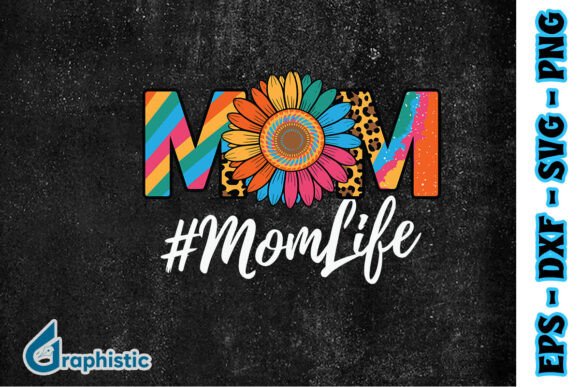
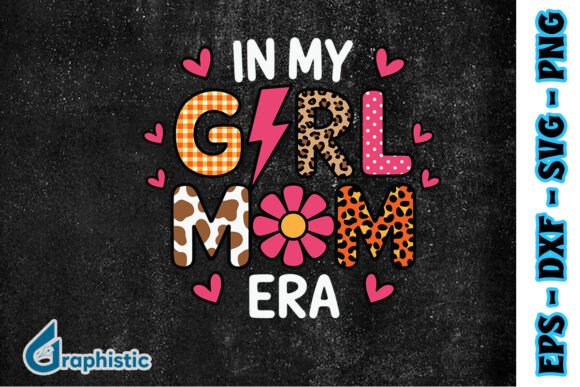
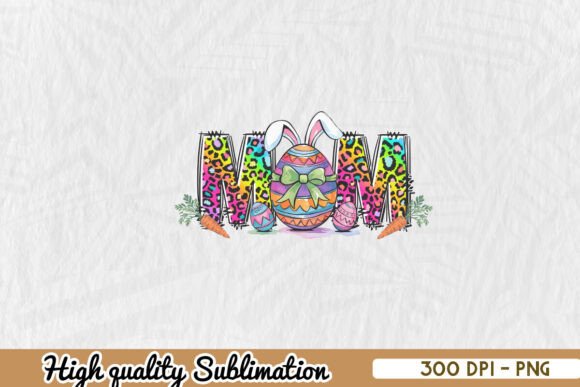
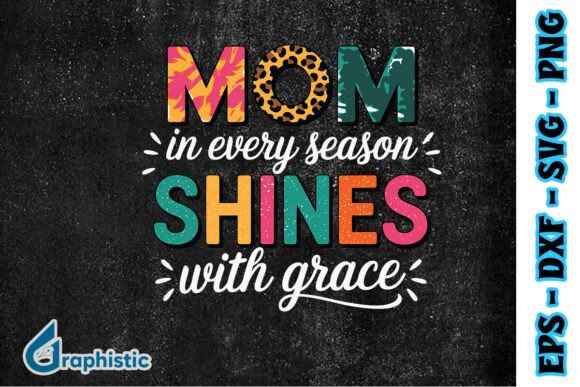
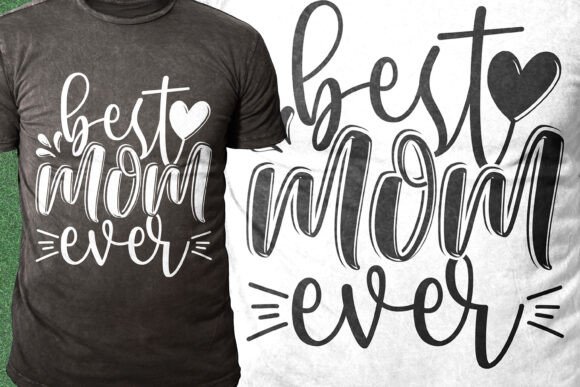
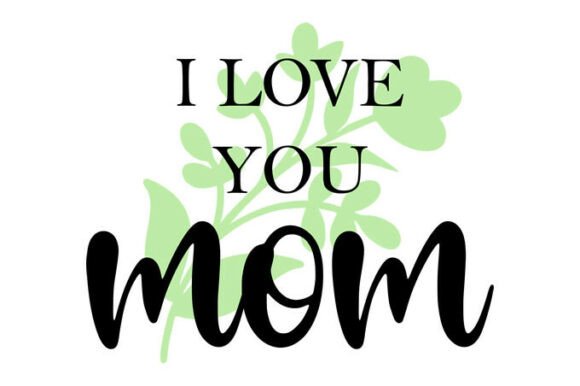
The ‘Happy Mom’ lettering is playful and warm, with a mix of script and decorative elements that give it a boutique feel. It’s not overly ornate, which is a relief because tiny flourishes often turn into stitch density nightmares on textured fabric. The balance between thick and thin strokes in the lettering is something I always check: if the thin parts are too narrow, they’ll disappear under a running stitch on a 4x4 hoop. Here, the letterforms are generous enough to hold up even at a moderate size. When I digitized a test version from the EPS file, I kept the satin stitch width just above 1.5mm for the thinnest loops, which is a safe zone for most cotton threads.
For anyone new to turning vectors into embroidery files, this pack is forgiving. The DXF and SVG files are ready to import into embroidery software, and because the original artwork is already separated into clear elements, you can assign thread colors and stitch types without a ton of manual editing. The PNG provides a quick reference for the intended look, which is handy when you’re building a printable mockup for a client or an Etsy listing before you’ve even loaded the needle.
Where the Design Shines—and Where It Needs a Steady Hand
I decided to mentally test this on a tote bag design for a Mother’s Day pop-up shop. A natural canvas tote with a woven texture can be unforgiving, so I’d want to digitize the design with a slightly wider satin stitch and a sturdy tear-away stabilizer. The curved ‘Mom’ script would look lovely centered on the front pocket, paired with some simple floral accents from the same pack. For a boutique product, that kind of personalization is what makes customers reach for their wallets. The ‘Happy Mom’ text, combined with a few well-placed fill stitch elements, could easily become a bestseller in a craft business.
That said, I wouldn’t throw this design onto a performance hoodie without testing. Thin fabrics like lightweight jersey or ribbed knit can pucker around dense lettering. If I were digitizing the EPS file for a sweatshirt embroidery project, I’d reduce the stitch density slightly and add a layer of cut-away stabilizer. The design’s illustration style, with its cute decorative swashes, means you’ll want to avoid ultra-small hoop sizes. Anything under 4x4 inches risks losing the personality of the lettering, especially the looping descenders. On a baby embroidery piece, like a tiny onesie, you’d need to scale the design up proportionally, but then the overall size might overwhelm the garment. For baby clothes, I’d probably isolate a single word, like “Mom,” and use it as a small embroidered patch on a lapel or a bib.
On dark fabric, the design needs a little extra thought. The PNG file gave me a sense of the silhouette, but on a black apron, a white thread version would need an outline or a contrasting background fill to pop. The vector files are perfect for creating a printable mockup to test thread colors before a single stitch is made. This is where the digital embroidery file potential really shines. A good digitizer can adapt the thickness of the strokes from the SVG to suit different thread colors and fabric textures. I always run a test on black and white fabric swatches before committing to a full run of custom apparel, because what looks crisp on a screen can turn muddy on a textured tea towel.
From Screen to Finished Product: A Maker’s Checklist
For Etsy sellers and small shop owners, this pack is a goldmine of design assets. You can use the EPS to create a digital embroidery file for machine embroidery, but you can also use the PNG for a printable mockup to list your item before stitching a single sample. The PDF is handy for paper templates or vinyl cutting, which is a nice bonus for multi-crafters. The DXF opens up possibilities for laser-cut appliqué shapes, which is a trend I’m seeing more in handmade product shops. Combining an applique design with the lettering could give a dimensional look to a pillow cover or a holiday gift like a personalized stocking.
Before you digitize the Happy Mom Letter Illustrations Vectors, do a few test runs. Stitch out the converted design on a scrap of the same fabric you plan to use. Check the stitch density—too dense and your fabric will ripple, too light and the lettering will look sparse. I always test the design in a black and white mockup to see if the contrast holds up without color. For a baby embroidery project, you’ll want a soft, flexible stabilizer and a minimalist fill stitch that won’t irritate skin. On a kitchen towel, a tear-away stabilizer works fine, but keep the design size manageable so it doesn’t distort in the wash. For a cap, the curved surface demands a lower stitch density and a careful hoop setup; I’d likely simplify the design by removing the most delicate decorative accents to keep the embroidery clean.
Here’s a practical checklist I follow when I’m moving a vector pack like this into a machine embroidery design:
- Test the digitized embroidery file on scrap fabric first—never skip this step.
- Check thread color contrast using the PNG or a black-and-white mockup.
- Review stitch density and adjust for the fabric’s stretch and texture.
- Confirm your hoop size can accommodate the design without cropping key details.
- Inspect small details like the thin loops in the lettering; they may need a slight thickening.
- Use proper stabilizer—tear-away for tightly woven fabrics, cut-away for knits.
- Look at the design on both light and dark fabric backgrounds to avoid surprise blending.
- Keep the intended product in mind: a pillow cover will need different stitch properties than a cap.
A Note on Commercial Use and Craft Business Smarts
One thing I can’t stress enough: the Happy Mom Letter Illustrations Vectors are supplied as digital download files, and the product description doesn’t spell out the exact commercial license terms. Before you use these vectors to create a digital embroidery file and sell the finished product—whether it’s a custom apparel piece, an embroidered patch, or a tote bag design—reach out to the seller or review the included license. This is especially important for small shop products and Etsy listings where you’re building a brand around a consistent look. Most vector packs in the Crafts category are meant for personal and small commercial use, but you never want to assume. A quick email can save you a headache later.
For embroidery designers who create digital embroidery files to sell to other stitchers, the same caution applies. The EPS and SVG files are excellent building blocks for a new embroidery file, but you need to know if the license allows derivative works for resale. I always keep a folder of verified licenses for every design asset I use in my craft business. It’s not glamorous, but it’s what keeps a small shop professional.
Final Thoughts from the Hoop
Overall, the Happy Mom Letter Illustrations Vectors are a well-crafted starting point for a wide range of embroidery projects. They don’t come ready-to-stitch, but for a digitizer or a craft business owner who knows how to convert vectors into a machine embroidery design, they’re a time-saver and a creative springboard. The files are clean, the mood is warm, and the final product has that handmade, giftable quality that customers love. I’d confidently use this for personalized gifts, custom apparel, and even a small run of embroidered patches. The versatility of having SVG, EPS, DXF, PNG, and PDF means you can pivot from a baby embroidery project to a holiday embroidery piece without hunting for matching assets.
Just remember: test, adjust, and always respect the original designer’s license before you launch your boutique product. The difference between a one-star review and a repeat customer often comes down to how well you’ve prepared the embroidery file and the fabric before the first stitch. With the Happy Mom Letter Illustrations Vectors, you’ve got a solid foundation—now it’s up to your needle and your eye for detail to turn it into a finished product that genuinely feels like a happy mom moment.