Elephant Mom and Baby Mandala: A Designer's Real-Use Review
I have reviewed hundreds of embroidery designs over the years, and I can usually tell within seconds whether a file will actually earn its place in my stitch library. The Elephant Mom and Baby Mandala caught my attention not because it shouted, but because it didn't. There is a quiet confidence in the way this design balances maternal tenderness with geometric structure. It's the kind of artwork that makes you pause and imagine it stitched out on something real—a baby blanket, a tote bag, a boutique sweatshirt that someone actually wants to wear.
Let me walk you through what I see, what I would test, and where this design genuinely belongs in a working maker's lineup.
First Look: The Mood and Visual Personality
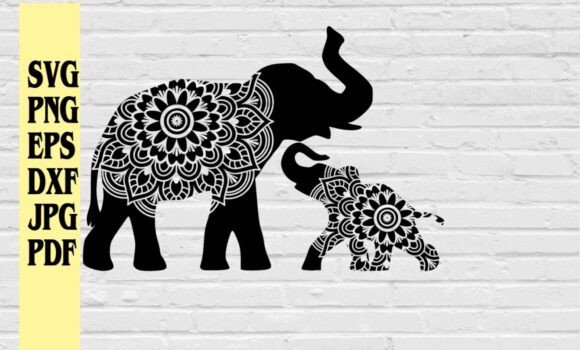
Right away, the mandala structure gives the Elephant Mom and Baby Mandala a meditative, intentional feel. The mother elephant and baby sit at the center, framed by symmetrical floral or geometric petal work that radiates outward. This is not a cartoonish animal design. It leans into a more refined, almost spiritual aesthetic—something that customers associate with handmade quality, mindfulness, and thoughtful gift-giving.
The silhouette reads clearly even at a glance. The negative space between the two elephants feels intentional, and the mandala border pulls the eye inward. For embroidery, that's a strong signal. A design that reads well as a flat graphic doesn't always translate to thread, but this one has the kind of balanced composition that tends to stitch out beautifully if the digitizing is solid.
The included file formats—SVG, PNG, EPS, DXF, PDF, and JPG—suggest this is a versatile graphics asset, not necessarily a pre-digitized machine embroidery file. That distinction matters. If you're planning to embroider this, you'll need to digitize it yourself or have a professional do it. The good news is that the clean mandala layout and defined shapes make for a relatively straightforward digitizing process, assuming you're working with a competent digitizer.
Where This Design Feels Most at Home
I mentally test every design against real products. Here's where the Elephant Mom and Baby Mandala fits naturally.
Nursery and Baby Products
This is the obvious home base, and for good reason. Embroidered on a baby blanket, a crib sheet corner, or a nursery pillow cover, this design would look like it was custom-made for the space. The mother-child theme resonates emotionally with new parents and gift buyers. I would personally test this on a soft cotton or bamboo blend blanket, using muted thread colors—sage green, dusty rose, warm gray, or soft ivory. The mandala structure gives it a heirloom quality that elevates a simple baby item into something families keep.
Custom Apparel and Tote Bags
On a canvas tote bag or the back of a lightweight sweatshirt, this design has boutique appeal. I can easily picture it as part of a small shop's Mother's Day collection or a year-round bestseller for a handmade business. The key is placement. Centered on a tote bag, it becomes a statement piece. On a sweatshirt, I'd position it slightly higher on the back, around the shoulder blade area, rather than dead center. That off-center mandala placement is something boutique customers consistently respond to.
Kitchen and Home Textiles
Here's a less obvious but equally strong application: tea towels and aprons. A single-color stitch version of this design in a warm terracotta or deep indigo on a linen tea towel would sell well at craft fairs. The mandala element feels artisanal, and the elephant motif adds a layer of storytelling that generic mandala designs lack. I've seen similar designs perform exceptionally well in kitchen textile collections, especially when marketed as gift-ready.
Patches and Small Accessories
As an embroidered patch, this design could work on caps, jean jackets, or accessory pouches. The circular mandala format naturally suits patch construction. However, the detail level means you'll want to keep the patch size generous—think three inches or larger. Anything smaller, and those delicate mandala lines might lose definition.
Practical Considerations for Real Embroidery Use
Let me get into the technical weeds, because this is where most designs either shine or disappoint.
Hoop Size and Scaling
The Elephant Mom and Baby Mandala design, with its intricate mandala border, needs breathing room. I would not attempt this in a small hoop—think 4x4 inches or smaller. The central elephant figures might survive a reduction, but the outer mandala details would likely become muddy or lose stitch clarity. A 5x7 hoop or larger is where this design will feel most comfortable. If you're offering this on products, plan your hoop inventory accordingly.
Fabric and Stabilizer Choices
Different fabrics will dramatically change how this design stitches out. On sturdy woven fabrics like canvas, denim, or linen, the mandala detail will hold crisp edges and the satin stitches will lay flat. On stretchy fabrics like jersey or French terry, you'll need a solid cutaway stabilizer and possibly a topping layer to prevent the details from sinking into the fabric texture. I've learned the hard way that mandala designs on stretchy knits without proper stabilization can look distorted after even a single wash.
For dark fabrics, thread color selection becomes critical. The design's impact relies on contrast. A dark navy sweatshirt with black thread will lose every bit of detail. Test your thread choices against the actual fabric you plan to use, not just on screen. I keep a stash of fabric swatches specifically for thread color testing, and it saves me from ruined blanks every single time.
Stitch Density and Detail Preservation
Mandala designs live and die by their fine lines. If the digitizer packs too much density into the small geometric elements, you'll end up with a stiff, bulletproof patch of thread that puckers the fabric and feels uncomfortable against the skin. The Elephant Mom and Baby Mandala has enough open space within the mandala structure to suggest a lighter, more wearable stitch density is possible. Still, I'd recommend asking your digitizer to prioritize a balanced density—enough to define the shapes clearly, but not so much that the design loses its softness.
Pay special attention to the baby elephant's smaller features. Tiny details like the trunk curve or ear shape need to be digitized with care. A running stitch approach for the finest details, combined with satin stitch for the main outlines, typically yields the best results for this type of artwork.
Thread Color Palettes That Work
One thing I appreciate about this design is its color flexibility. The mandala format works beautifully as a single-color embroidery—think white thread on a natural linen tote, or metallic gold on a deep forest green sweatshirt. It also handles multi-color thread palettes well. I've mentally mapped out a few combinations that would appeal to different customer bases:
- Earthy and minimal: Terracotta, sand, and warm beige for a boho market feel
- Soft and nursery-ready: Blush pink, sage, and cream for baby products
- Bold and boutique: Navy, mustard, and ivory for modern handmade apparel
- Monochromatic elegance: Single-color thread on a contrasting fabric for timeless appeal
What Customers Will Notice
When you're selling finished products or digital assets, customer perception is everything. The Elephant Mom and Baby Mandala carries a few built-in advantages from a buyer psychology standpoint. The elephant motif is universally loved and carries connotations of wisdom, family, and protection. The mandala adds a layer of intricacy that signals craftsmanship. Together, they create a design that feels intentional and premium.
For Etsy sellers and craft business owners, this design offers strong listing potential. It photographs well, it's emotionally resonant, and it fits multiple product categories without feeling stretched. A single design that works on baby gifts, home decor, and wearable accessories is a genuine asset for a small shop trying to streamline its product lineup.
Where You Should Use Caution
No design is perfect for every application, and I always flag the limitations I see. Here's what I'd watch for with the Elephant Mom and Baby Mandala.
Small hoop sizes are a non-starter for this design unless you're willing to sacrifice the mandala border entirely. The detail simply won't hold up at miniature scale. Textured fabrics like terry cloth or heavily napped fleece will swallow the fine mandala lines, so choose your blanks carefully. Curved surfaces like caps and hats can work, but the symmetrical mandala might look distorted if not hooped and positioned perfectly—this is an advanced application, not a beginner-friendly one.
Also, if you're planning to use this design on items that get frequent washing, like kitchen towels or baby onesies, test the stitch integrity through multiple wash cycles before listing products for sale. The mandala's finer connecting lines are the most vulnerable points, and a single broken thread can ruin the visual flow.
Designer's Pre-Stitch Checklist
Before I commit any design to a client project or a product batch, I run through a mental checklist. Here's what I'd do with this one:
- Test the digitized file on a scrap fabric that matches the final product's weight and texture
- Check thread color contrast under natural and indoor lighting
- Review stitch density on the mandala's fine lines—adjust if the fabric feels stiff
- Confirm the design fits comfortably in the intended hoop size with at least half an inch of clearance
- Inspect the baby elephant's details at actual stitch size for clarity
- Test a black-and-white mockup to see how the design reads without color cues
- Compare results on both light and dark fabric backgrounds
- Use the appropriate stabilizer for the fabric type
- Verify licensing terms before selling finished products or digital embroidery files
- Run a finished product through one wash cycle to check durability
Real Scenario: A Custom Baby Shower Gift
Let me ground this in a practical scenario. I recently had a client request a personalized baby shower gift—a set of embroidered items for a nursery. The Elephant Mom and Baby Mandala would have been a strong contender for this project. I would have stitched it in a soft ivory thread on a sage green cotton blanket, paired with a matching pillow cover. The mandala's circular shape would anchor the nursery's visual theme, and the mother-baby elephant motif would tie directly into the emotional moment of the gift.
For the presentation, I'd photograph the finished blanket draped over a rocking chair or folded neatly with a ribbon accent. That kind of product photography, combined with the emotional weight of the design, tends to perform well on Etsy and at craft fairs. It's the sort of piece that makes a customer stop scrolling and start imagining it in their own home.
Final Verdict for Makers and Sellers
The Elephant Mom and Baby Mandala is a visually strong, emotionally resonant design that deserves a thoughtful approach. It's not a quick-and-easy stitch for beginners, but it's not overly complicated either. With proper digitizing, the right fabric choices, and attention to hoop size and stabilizer, it can become a standout piece in a handmade product lineup.
For embroidery designers, small business owners, apparel decorators, and digital product sellers, this design offers genuine versatility. It fits the nursery niche beautifully, stretches into home decor and fashion accessories, and carries enough visual weight to justify premium pricing on finished goods. The multi-format file package—SVG, PNG, EPS, DXF, PDF, and JPG—also makes it useful for printable mockups, design assets, and promotional graphics alongside your stitched products.
Just remember to confirm your licensing and digitizing plan before you invest production time. A design is only as good as the preparation behind it. If you treat the Elephant Mom and Baby Mandala with the care it deserves, it will reward you with products that feel personal, polished, and genuinely giftable.