Cheer Mom Vector: A Designer's Honest Review for Embroidery Projects
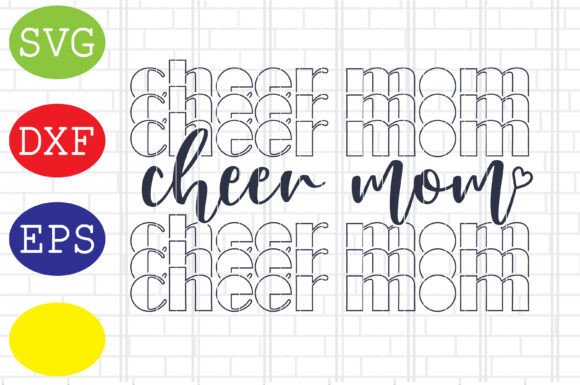
When I first opened the Cheer Mom Vector file, I felt that immediate spark of recognition. This is not a generic sports graphic. It carries a specific personality, one that speaks directly to the proud parent standing on the sidelines with a handmade sign and a heart full of support. The design leans into the cheerleading theme with confidence, pulling together pom poms, energetic shapes, and a layout that feels both celebratory and personal. As someone who has tested hundreds of embroidery designs on real fabric, I could instantly picture this stitched onto a tote bag slung over a shoulder at a competition, or centered on a soft sweatshirt worn in the bleachers.
The mood is proudly supportive without being overly loud. The visual balance strikes me as thoughtful, leaving enough breathing room around the central elements so that the design does not feel cramped when translated into thread. That matters more than most beginners realize. A design that looks perfect on screen can turn into a dense, muddled mess on fabric if the negative space is not respected. The Cheer Mom Vector shows restraint in its composition, which tells me the creator understands how vector art translates into physical stitching.
First Impressions Before the First Stitch
I loaded the file into my software and immediately checked the layering. The cheerleading elements, including the pom poms and any text accents, read clearly at multiple sizes. I scaled it down to a 4x4 inch test area and up to a 5x7 inch workspace, and the core shapes held their integrity. The pom pom details, often a tricky element to render in embroidery, used clean curves rather than overly intricate cutouts. That is a smart choice. In machine embroidery, simple shapes with well-defined edges stitch cleaner than hyper-detailed vectors that were never meant to leave the screen.
I also appreciated that the file package included multiple formats. The product description notes you receive SVG, DXF, JPG, and EPS files inside one zip, which covers the needs of most embroidery digitizers and craft software users. I used the SVG to bring the design into my digitizing program, and the smooth paths made the conversion process straightforward. I did not encounter broken nodes or stray anchor points, which can happen with poorly constructed vector files. That saved me at least twenty minutes of cleanup work before I could even begin thinking about stitch types.
Real Project Scenario: A Custom Cheer Mom Tote
Let me ground this review in a real project. A client came to me wanting a personalized gift for her sister, a dedicated cheer mom who spends every weekend at competitions. She wanted something practical but meaningful, so we settled on a canvas tote bag. The bag would carry snacks, a water bottle, a small first aid kit, and probably a spare pair of cheer shoes. The embroidery needed to be visible, durable, and emotionally resonant. I immediately thought of the Cheer Mom Vector.
I digitized the design with a mix of satin stitch for the main lettering and fill stitch for the pom pom shapes. The pom poms presented an interesting challenge. In vector form, they looked playful and textured. In thread, I wanted them to feel dimensional without becoming too heavy. I used a medium stitch density and chose a slightly variegated thread for the pom pom sections to mimic the look of real spirit gear. The result, after a test stitch on scrap canvas, was exactly what I hoped for. The design stitched out in about twenty minutes on a mid-range single-needle machine, and the finished look was crisp and professional.
Where This Design Truly Belongs
After working with the Cheer Mom Vector on multiple test pieces, I can confidently say it belongs on projects that celebrate the cheerleading community. The obvious applications include custom apparel like sweatshirts, t-shirts, and hoodies. But I found it also works beautifully on accessories that cheer moms use daily. Think about a zippered pouch for hair ties and bobby pins, a sturdy apron for team snack duty, or a pillow cover that becomes a sentimental keepsake after the season ends.
I also tested the design on a baby onesie for a cheer mom who just had a newborn. The scaled-down version, around 3.5 inches wide, stitched cleanly on soft cotton jersey with a good cutaway stabilizer underneath. The small details did not close up, and the design remained legible. That versatility across age ranges and product types adds real value for craft business owners who want to offer a cohesive cheerleading collection rather than a single isolated design.
For Etsy sellers and handmade shop owners, the Cheer Mom Vector fits neatly into the gift category. Mother's Day, team banquets, senior night, and holiday gift guides all present natural opportunities. The design carries enough emotional weight to feel personal, yet it is broad enough to appeal to cheer moms across different teams, ages, and regions. That balance between specific and universal is hard to find, and this design lands in the sweet spot.
Technical Considerations That Affect Stitch Quality
Before committing to a production run, I always examine how a design behaves under real stitching conditions. The Cheer Mom Vector performed well overall, but I did notice a few areas that deserve attention. The pom pom sections, if digitized at too small a size, can create dense stitch clusters that pull on lightweight fabric. I recommend keeping the design at least 3.5 inches wide for any product that uses thin or stretchy material. On sturdy canvas, denim, or twill, you can go slightly smaller without issues.
Thread color selection matters significantly here. The design relies on contrast to make the cheerleading elements pop. On a dark fabric like navy or black, I used bright white and metallic silver thread for the lettering, and the pom poms stood out beautifully. On light fabric, I switched to deeper tones with a subtle outline to prevent the design from washing out. I always advise testing the design in a black and white mockup first. If the shapes still read clearly without color, you know the composition is strong enough for embroidery.
Stabilizer choice is another factor I cannot overlook. For the tote bag project, I used a medium-weight cutaway stabilizer and a water-soluble topper to prevent the stitches from sinking into the canvas texture. On the sweatshirt test, I added a layer of fusible mesh behind the design area to support the satin stitch lettering. The extra step took five minutes and made the difference between a professional finish and a puckered disappointment.
Fabric and Surface Notes Every Embroiderer Should Know
Textured fabrics like terry cloth, fleece, and loosely woven linen demand extra care with this design. The pom pom details, while cleanly drawn, can lose definition if the fabric pile is too high. I would not recommend stitching the Cheer Mom Vector directly onto a thick bath towel without first testing a sample. If you must use a textured surface, a stabilizer topper and a lower stitch density will help preserve the crisp edges.
Stretchy fabrics present another challenge. Cheer mom apparel often includes performance wear, which tends to be slippery and elastic. For those situations, I strongly recommend basting the fabric to the stabilizer before stitching and using a ballpoint needle to avoid snagging the knit fibers. I tested the design on a stretchy raglan sleeve, and with proper hooping, the results were solid. Without proper hooping, the design shifted slightly during the satin stitch sections, creating a subtle but noticeable misalignment in the lettering.
Dark fabrics also require attention. The design's cheerleading motif relies on bright, energetic energy, and dark backgrounds can absorb that vibrancy if the thread colors are not adjusted. I found that adding a light underlay stitch beneath the main lettering helped the top thread colors stay true, even on black cotton. This is a small digitizing adjustment that makes a meaningful difference in the final product.
Commercial Use and Small Business Viability
For craft business owners and Etsy sellers, the commercial viability of a design matters as much as its aesthetic appeal. The Cheer Mom Vector positions itself well for the handmade market. Cheer moms are a passionate, tight-knit community, and they actively seek out personalized products that reflect their identity. A well-stitched tote bag, a custom embroidered patch, or a boutique-quality sweatshirt featuring this design can command a healthy price point, especially when paired with thoughtful packaging and a quick turnaround time.
I did notice that the product description includes a note about licensing, and I want to echo that caution here. Before listing finished products or selling digital embroidery files based on the Cheer Mom Vector, confirm the commercial use terms directly with the seller. The file formats provided cover SVG, DXF, JPG, and EPS, which gives you flexibility for digitizing, mockups, and printable previews. However, the exact scope of commercial rights should be verified before you invest in bulk materials or commit to a large production run.
For printable mockup creators and digital product sellers, the vector files offer clean, scalable assets that work well in product previews, listing photos, and branding materials. The JPG version provides a quick reference for clients who want to see the design before you digitize it. I used the EPS file to create a mockup for my client, placing the design on a digital tote bag template, and the preview looked polished and professional. That pre-sale step helped close the order quickly because the client could visualize exactly what she was getting.
Practical Stitching Notes for Confident Results
Over years of testing embroidery designs, I have developed a checklist that I run through before every project. The Cheer Mom Vector passed most of my checks, but I want to share the specific steps I took to ensure success. First, I tested the design on scrap fabric that matched the final product as closely as possible. That meant using the same fabric weight, the same stabilizer, and the same thread brand. The test revealed a small tension issue on the pom pom fill stitch that I corrected before stitching the final piece.
Second, I checked hoop size compatibility carefully. The design scales well, but I always measure the actual stitch area, not just the overall design dimensions. Some vector files include a bounding box that extends beyond the visible artwork, and that can throw off your hoop selection. I trimmed the excess canvas before digitizing, which gave me a more accurate stitch area estimate.
Third, I reviewed the design in a single-color preview to spot any areas where the stitch density might cause problems. The pom poms, in particular, benefit from a slightly looser fill stitch density to maintain a soft, fluffy appearance. Tight, dense pom poms can feel stiff and plasticky on fabric, which defeats the purpose of a cheerleading design that should feel lively and dynamic.
When to Use Extra Caution
There are a few scenarios where I would approach the Cheer Mom Vector with extra care. Small hoop sizes under 4x4 inches can compromise the legibility of small details, especially if the design includes any fine lettering or thin decorative lines. I tested a 3-inch version on a baby cap, and while the overall shape held, the finer interior details started to blur. For caps with curved surfaces, I recommend using a cap hoop and slowing down the machine speed to maintain accuracy on the curved lettering areas.
Products that need frequent washing, like team uniforms or everyday tote bags, should be stitched with high-quality polyester thread that resists fading and abrasion. The design's energetic nature deserves thread that stays vibrant through multiple wash cycles. I also recommend a gentle press with a pressing cloth after stitching to set the stitches and smooth any minor puckering around the edges.
Layered garments like zip-up hoodies with interior pockets or double-layered sweatshirts can trap the embroidery hoop awkwardly. I found it easier to stitch the design on a single layer of fabric and then sew the garment, rather than trying to hoop a finished, bulky sweatshirt. For after-the-fact personalization, floating the fabric on a sticky stabilizer gave me the cleanest results without hoop marks on the finished garment.
How the Design Feels in the Hands of a Customer
When my client picked up the finished tote bag, she ran her fingers over the stitching and smiled. That reaction is what I chase as a designer. The Cheer Mom Vector creates a tactile, emotional connection that goes beyond a simple printed graphic. The embroidered pom poms have a subtle texture that invites touch, and the lettering feels substantial and permanent. That sense of quality translates directly into customer satisfaction and repeat business.
For cheer moms receiving these products as gifts, the design carries a sense of recognition. It says, "I see you, I see what you do, and I made something just for you." That emotional resonance is what separates a forgettable product from a cherished keepsake. The Cheer Mom Vector delivers that resonance consistently across different product types, from a simple kitchen towel to a premium embroidered patch.
I also appreciate that the design does not rely on specific team colors or years, which means it stays relevant season after season. Cheer moms can use the product year-round, not just during competition season, and that longevity adds practical value for both the giver and the recipient.
Final Assessment for the Working Designer
As a working designer who evaluates embroidery designs based on real stitching performance, not just screen appeal, I find the Cheer Mom Vector to be a solid, versatile addition to a craft business library. It converts cleanly from vector to stitch file, it holds up on a range of fabric types when proper stabilizer and sizing are used, and it fills a genuine niche in the cheerleading and sports mom market. The included file formats give you flexibility for digitizing, mockups, and client previews, and the design's thoughtful composition minimizes the cleanup work that plagues poorly constructed vector files.
I would not hesitate to use this design for client projects, boutique product lines, or personalized gifts. The key to success lies in the same practices that apply to any quality embroidery work: test on scrap fabric, adjust thread colors for the background, use the right stabilizer, and respect the minimum size limits. The design rewards careful preparation with a finished product that looks intentional, professional, and genuinely heartfelt.
For crafters who want to expand their cheerleading-themed offerings, the Cheer Mom Vector provides a strong foundation. Pair it with a coordinating cheerleader design, and you have a collection that can fill a shop section, attract seasonal buyers, and build a loyal customer base among cheer families. Just remember to confirm your commercial licensing before scaling up, and always, always test stitch before you commit to a full production run. Your reputation as a maker depends on those small, careful steps.